
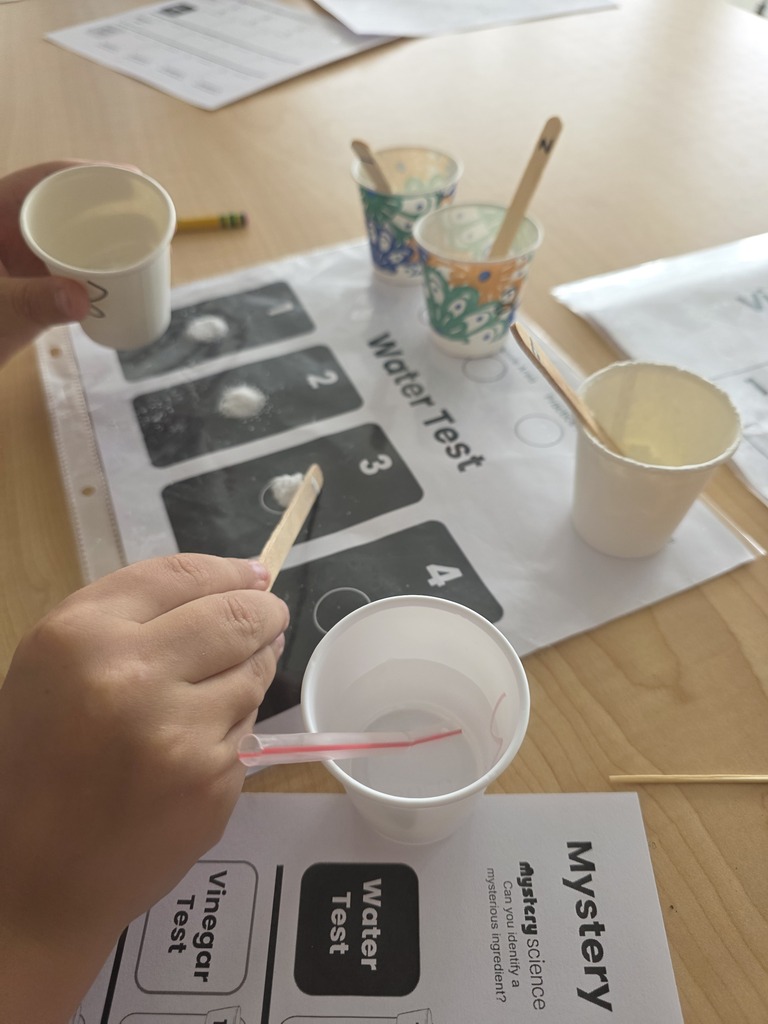
5th Graders in Mrs. Wojtas' and Ms. Brothers' room have been experimenting with Chemical Reactions
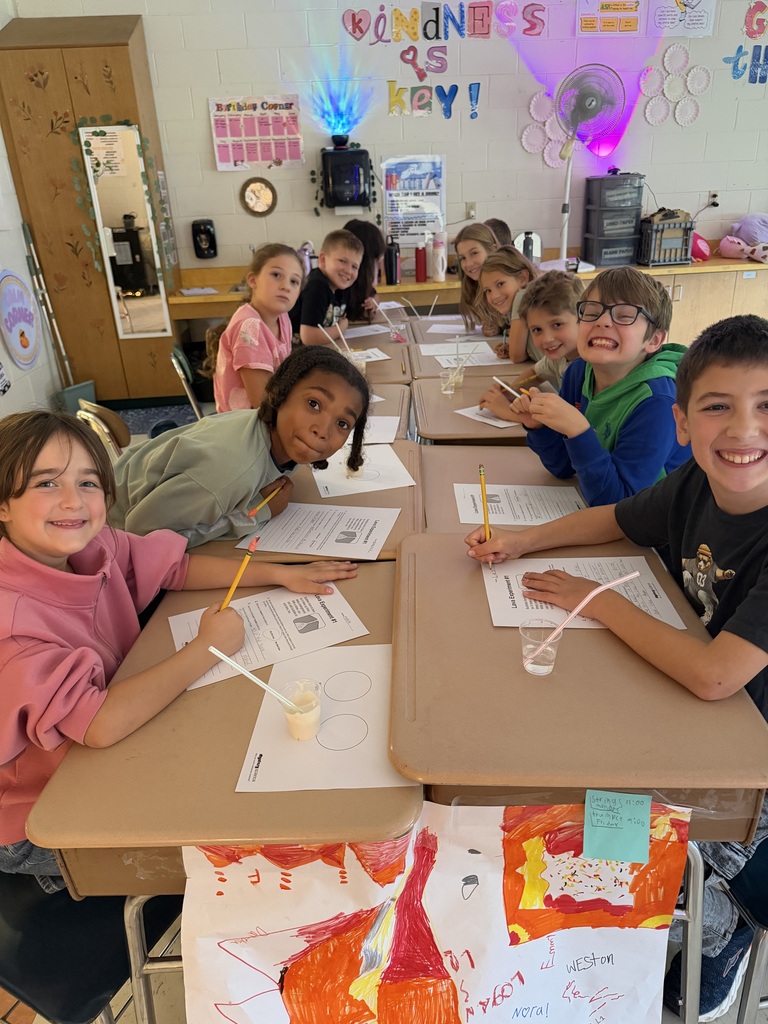
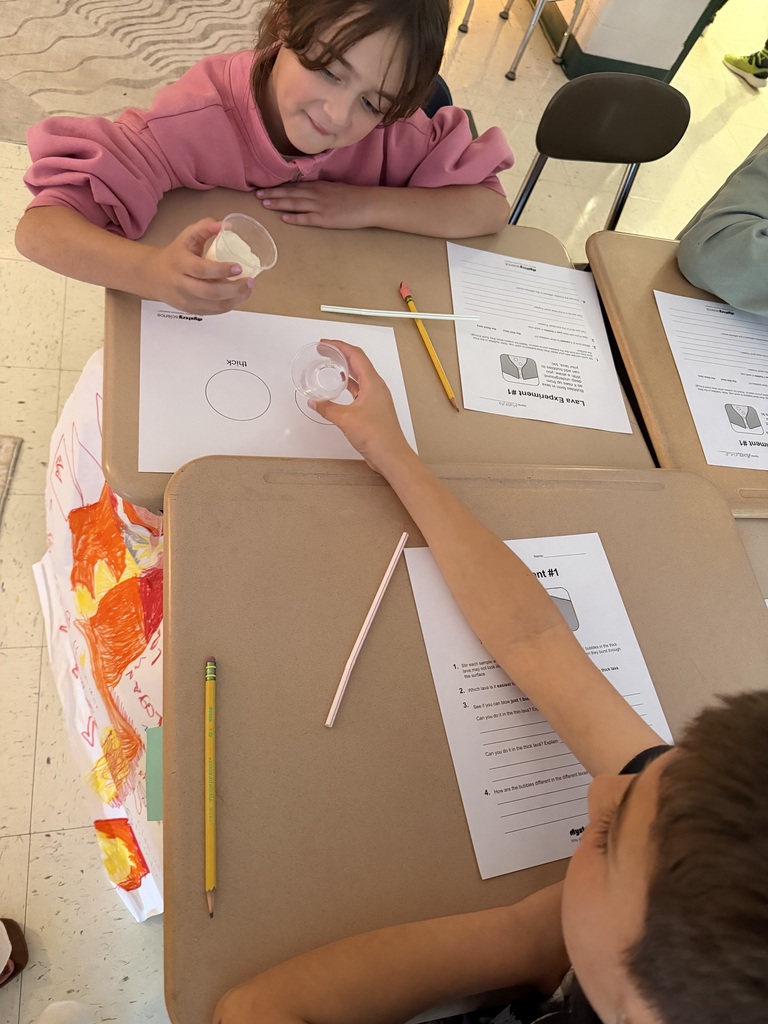
This week, students in Miss Beyer’s class continued working on Unit 1: Birth of Rocks! We completed Lesson 2: Why Do Some Volcanoes Explode?
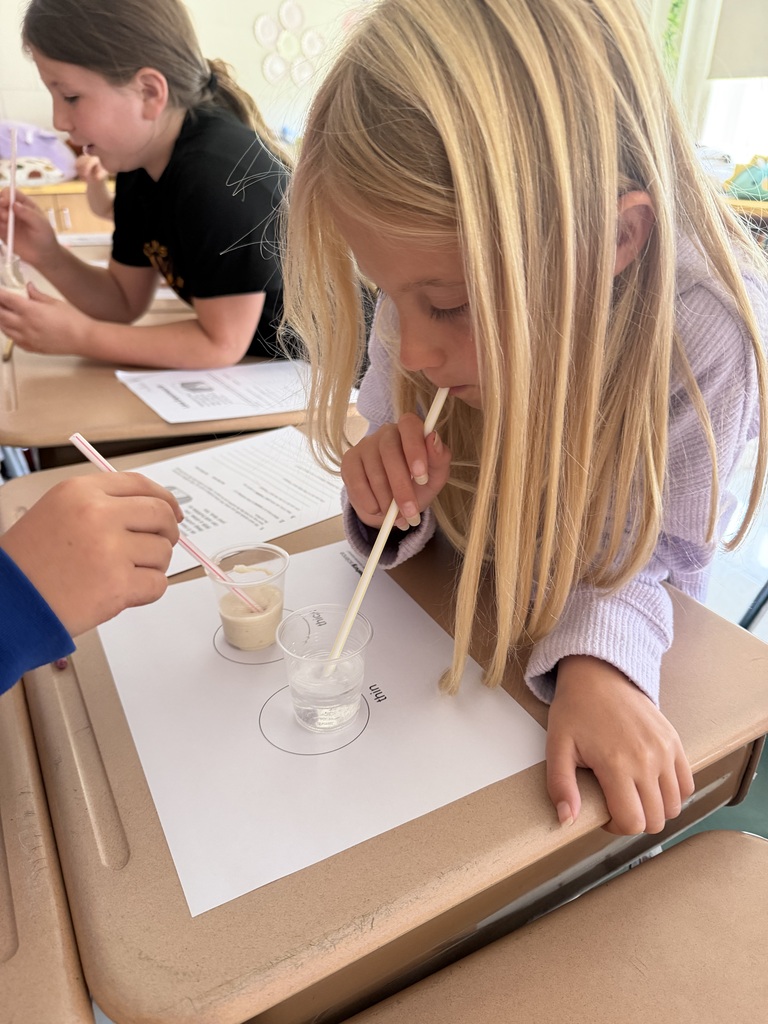
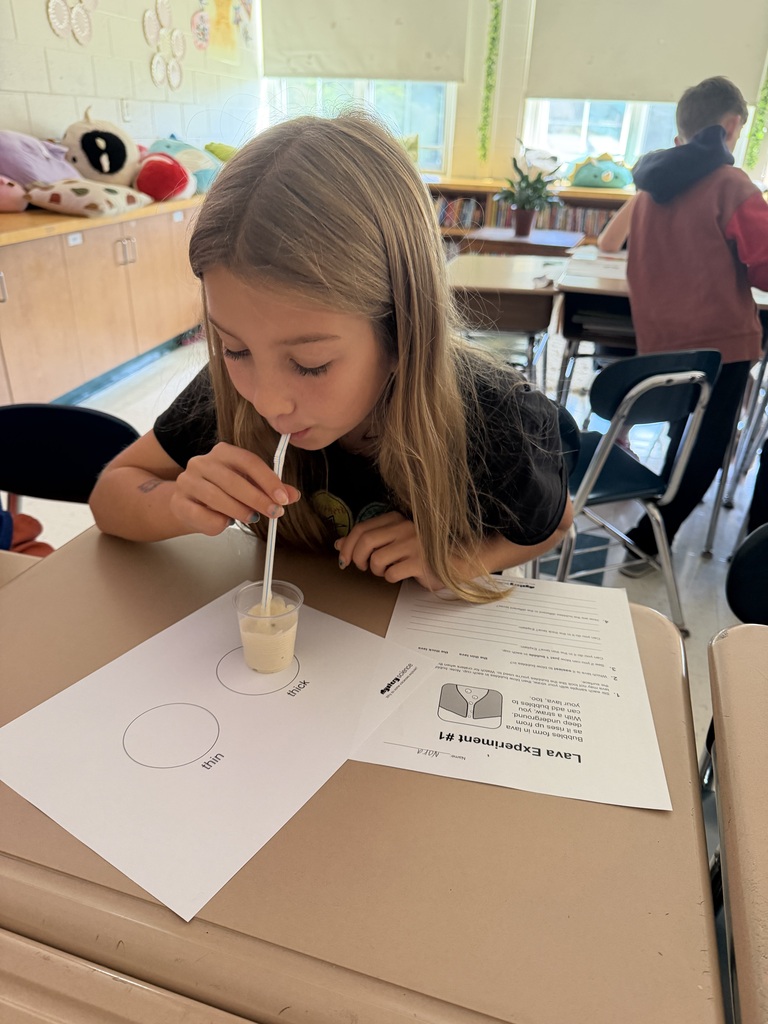
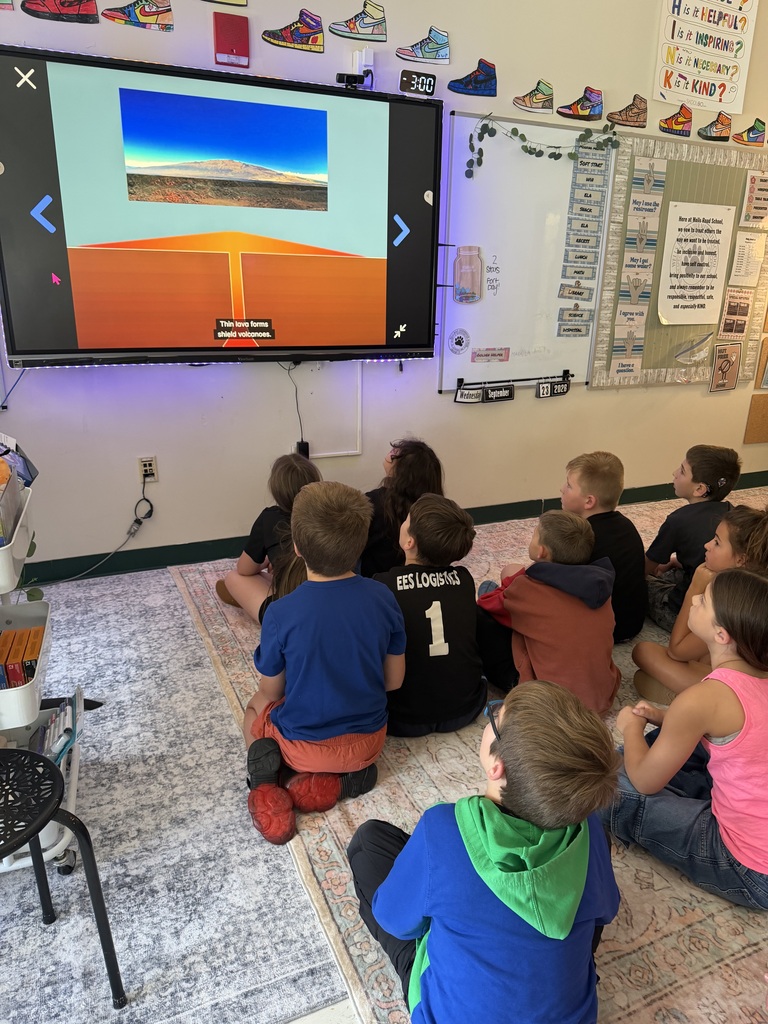
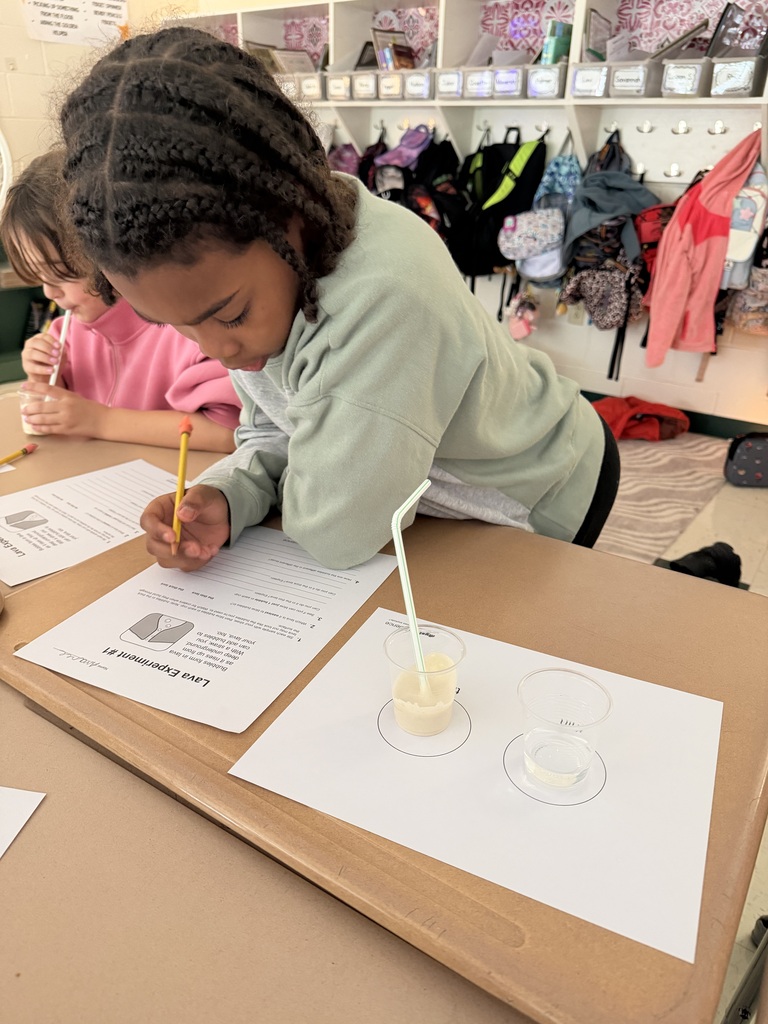
Students investigated how different types of lava can affect the shape and eruption patterns of volcanoes. During our “Bubble Trouble” activity, students compared two types of “lava," thin and thick, to discover how lava’s thickness can help explain why volcanoes have different shapes and why some volcanoes can have explosive eruptions!
Students investigated how different types of lava can affect the shape and eruption patterns of volcanoes. During our “Bubble Trouble” activity, students compared two types of “lava," thin and thick, to discover how lava’s thickness can help explain why volcanoes have different shapes and why some volcanoes can have explosive eruptions!
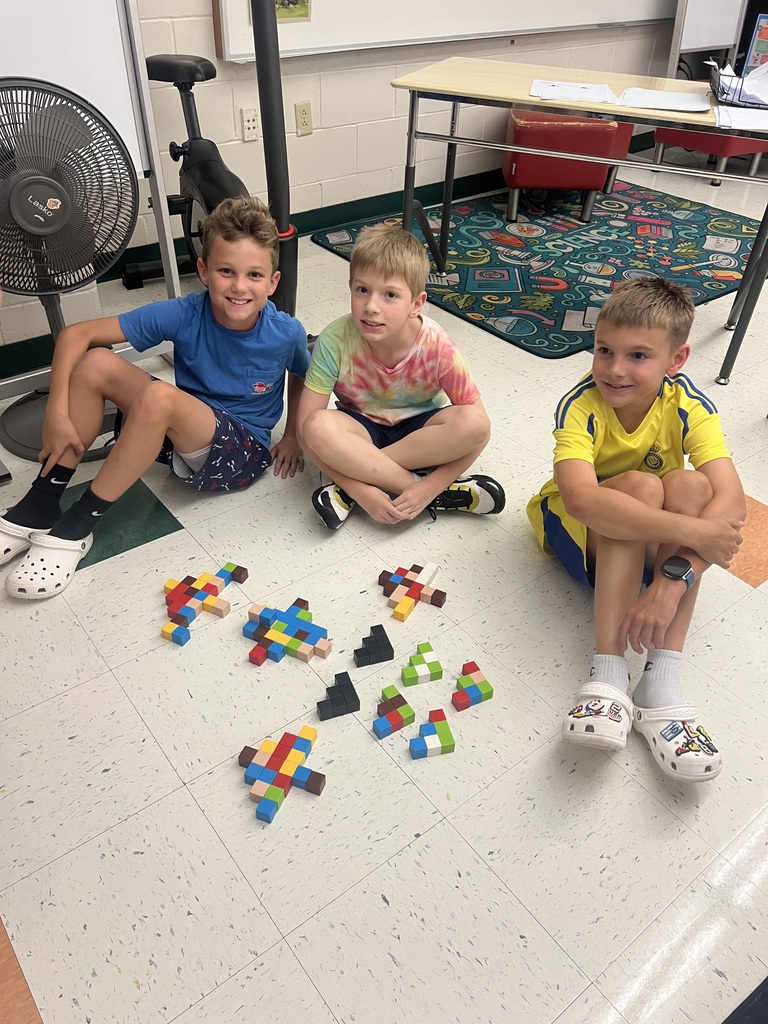
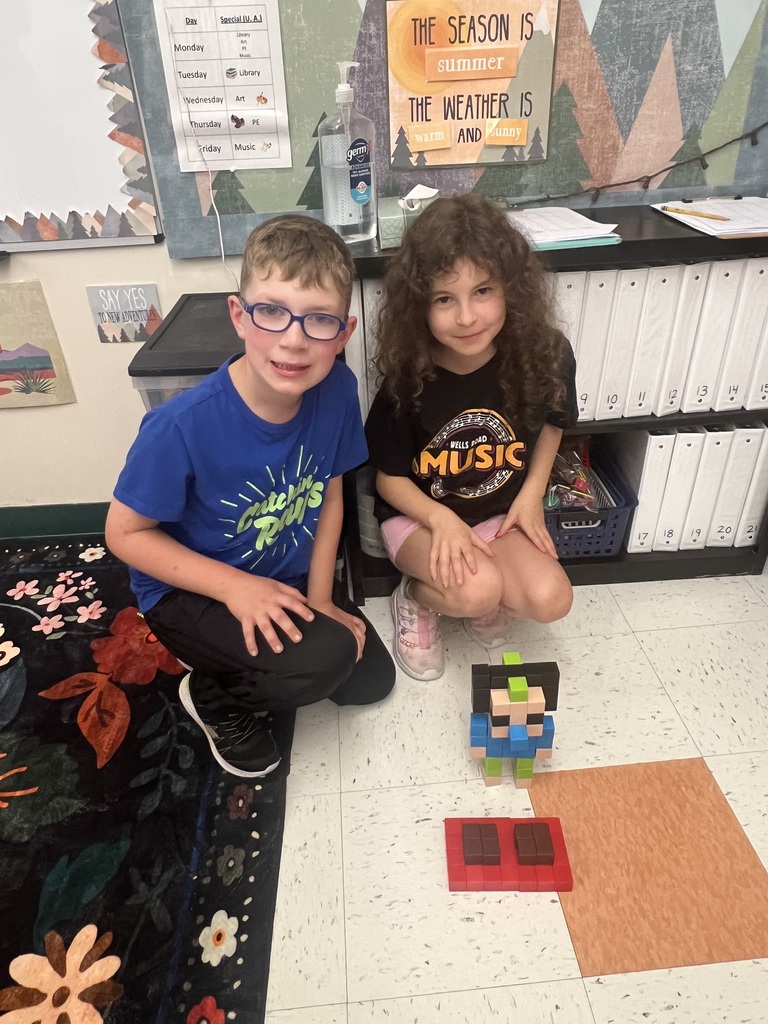
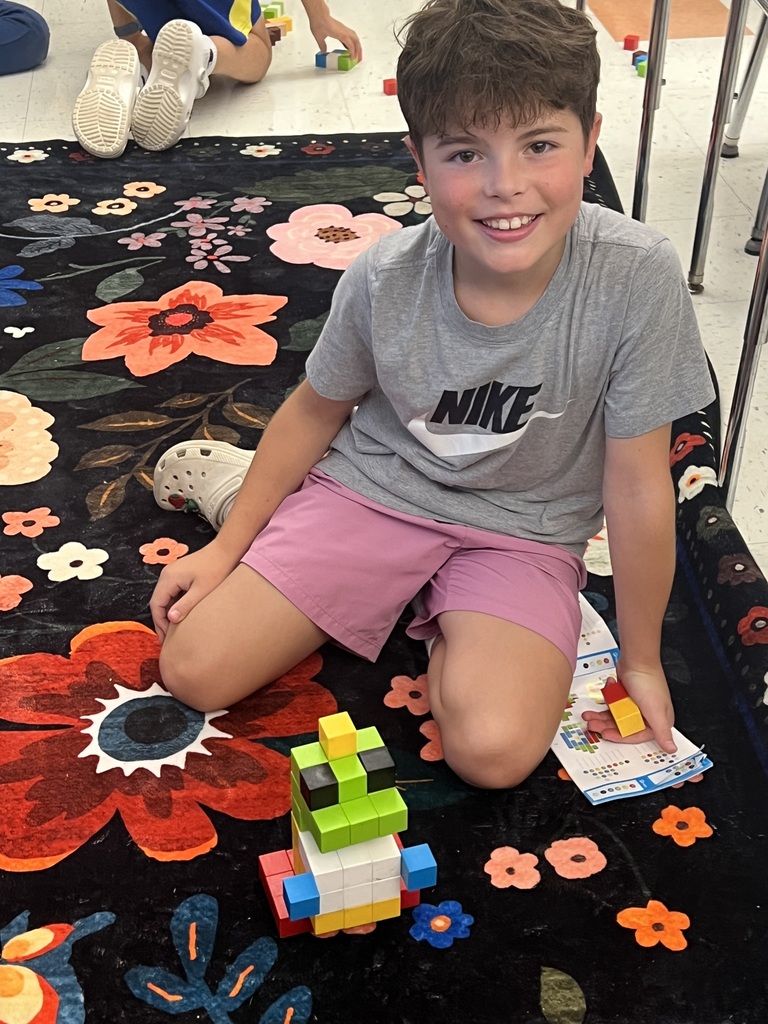
5th grade is finishing up our first unit in math which is all about finding volume! Students learned to find the volume of rectangular prisms AND other objects that they built using our awesome magnetic cubes! Students are learning math skills using creativity and teamwork!
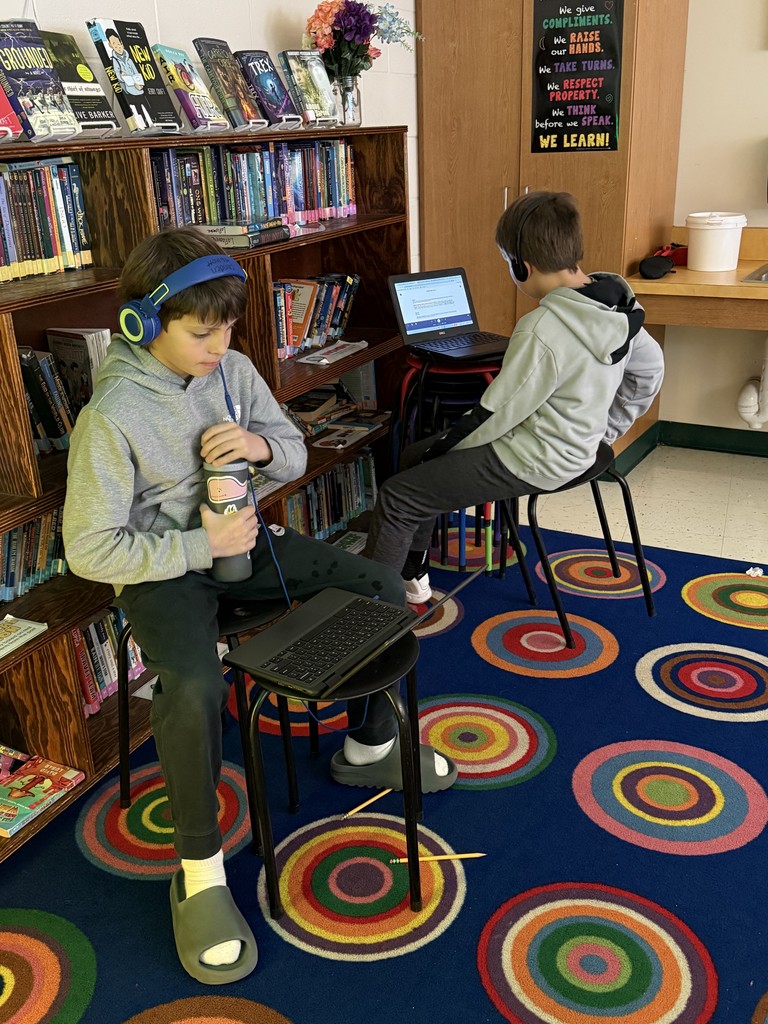
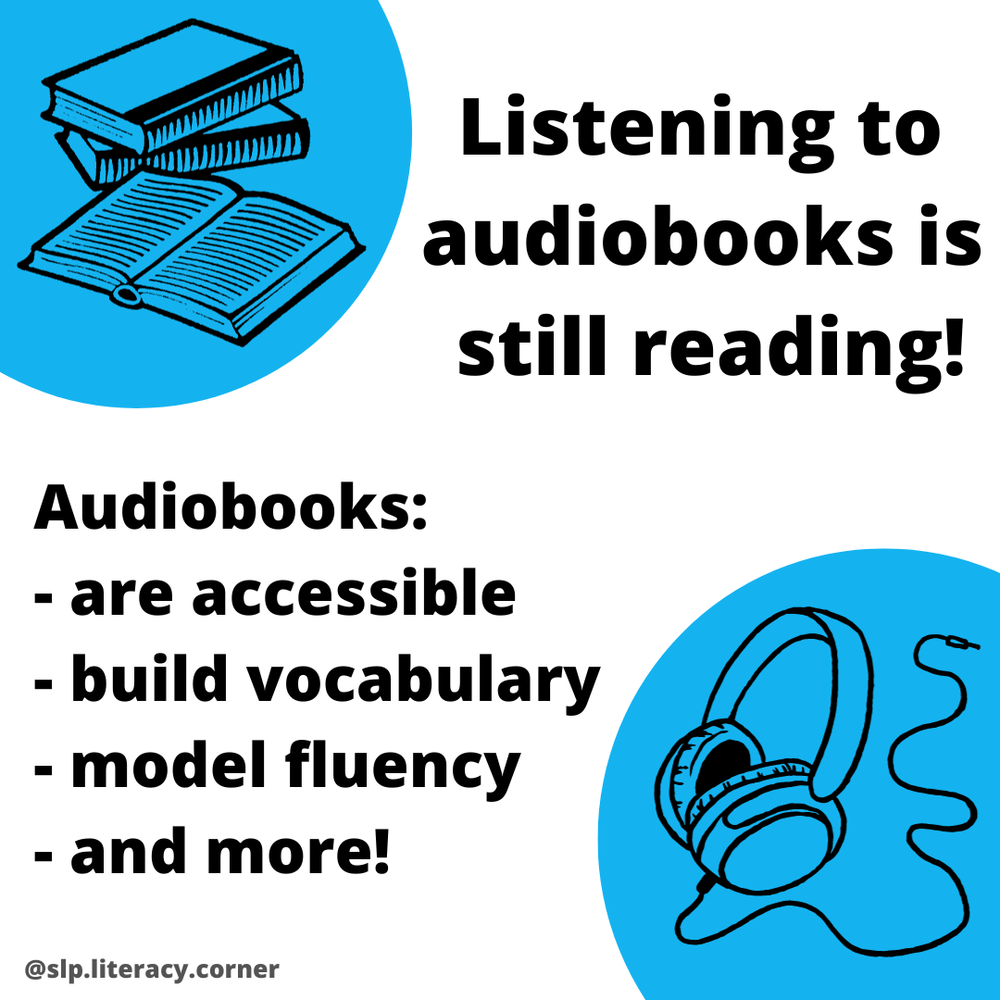
Listening IS reading!
Audiobooks provide access to advanced vocabulary and complex stories. This builds the language and knowledge to support strong reading comprehension.
Audiobooks provide access to advanced vocabulary and complex stories. This builds the language and knowledge to support strong reading comprehension.
Ever wonder if graphic novels are helping your child become a stronger reader? Here is an article that offers some food for thought. Keep the reading going this summer!
https://theconversation.com/does-your-child-only-read-graphic-novels-thats-ok-its-helping-them-build-literacy-skills-280373
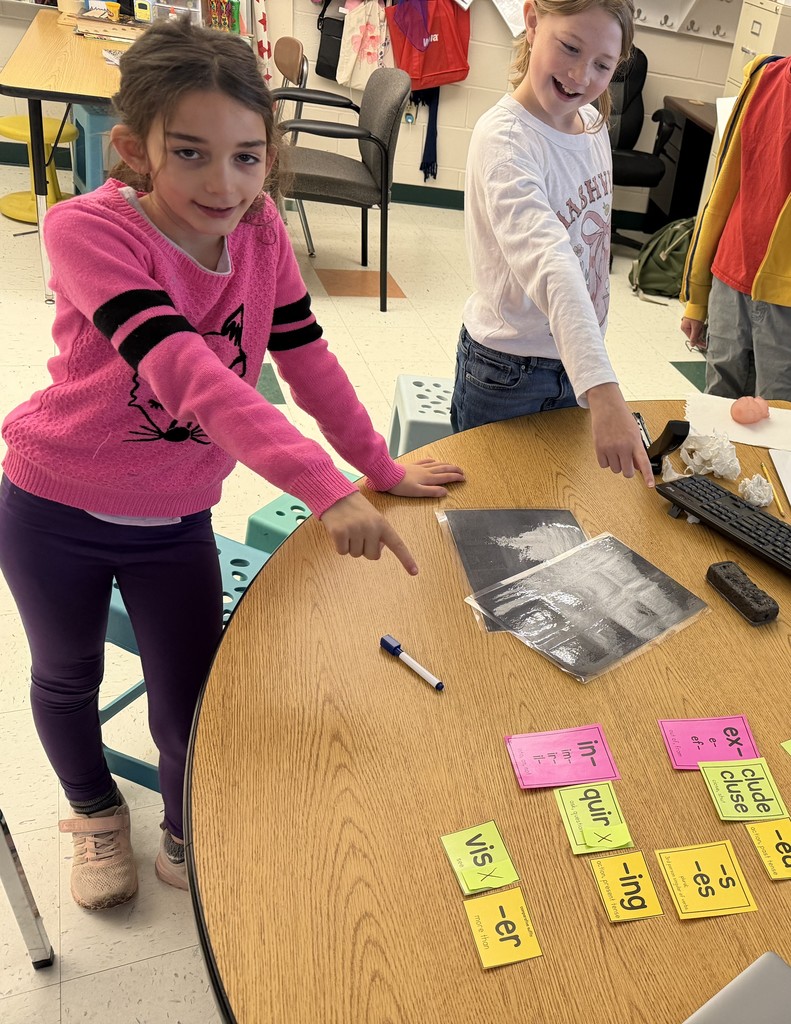
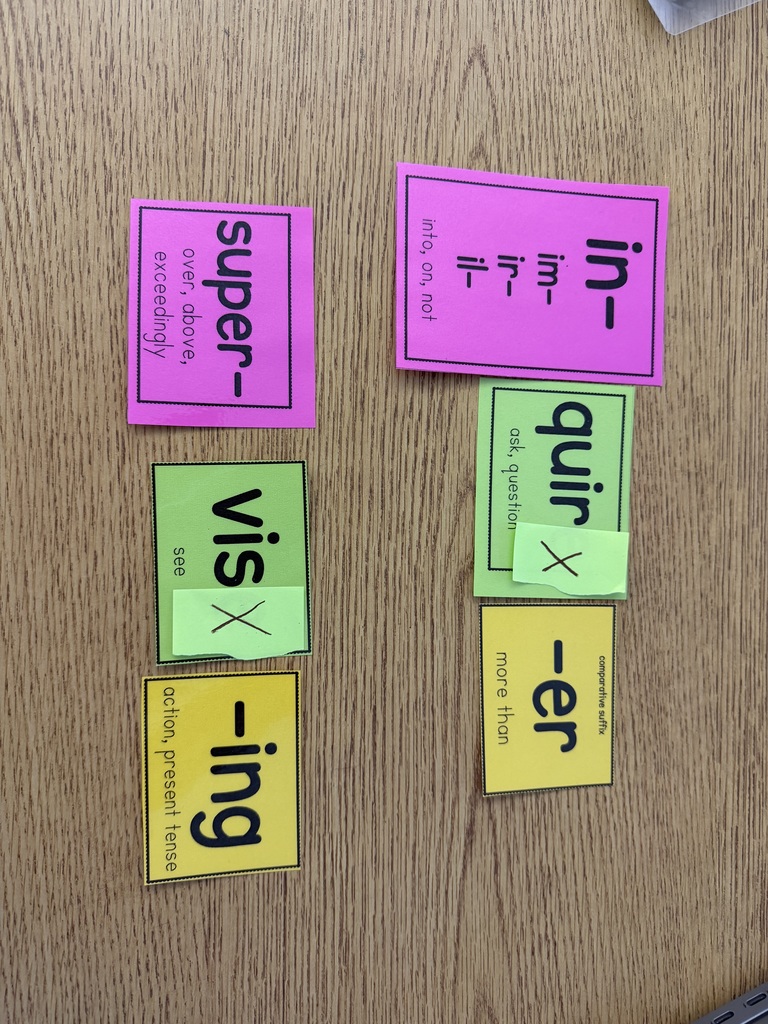
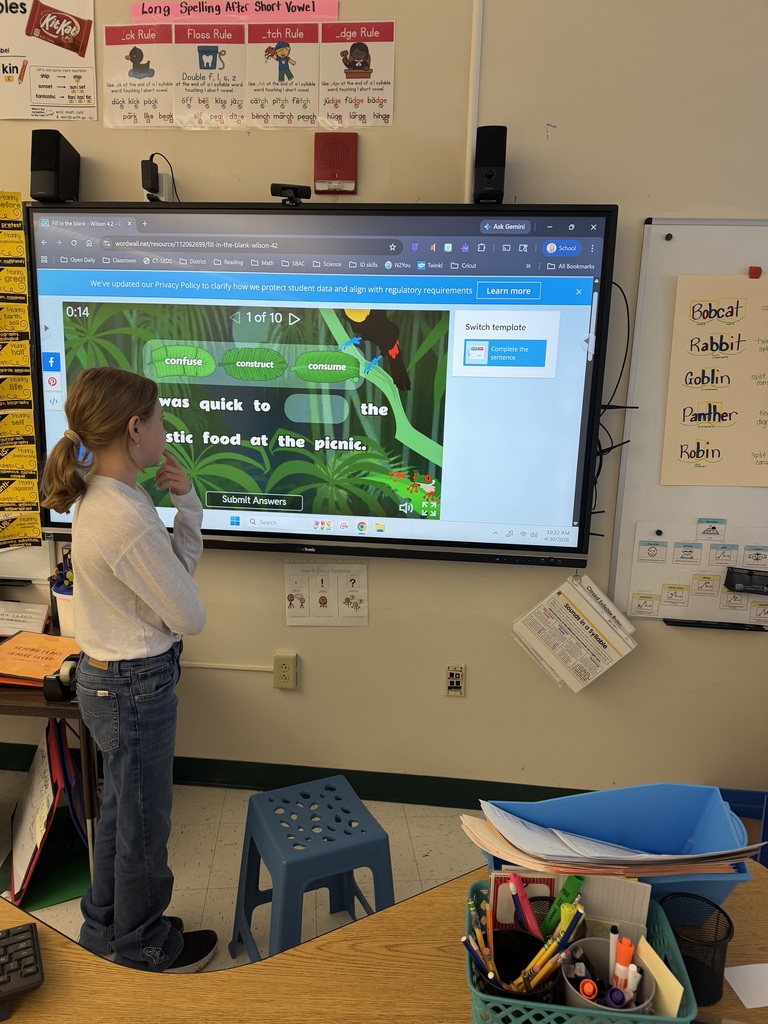
Students in Mrs. Zuck's class are using hands-on methods to practice building multi-syllabic words using prefixes and suffixes. They are learning the spelling pattern to drop the final e when adding a vowel suffix.

Today we celebrate our incredible principals! From guiding teachers and supporting students and shaping a positive school culture, principals wear more hats than we can count. They lead with dedication, solve problems with care, and work tirelessly to make sure every student has the opportunity to succeed.
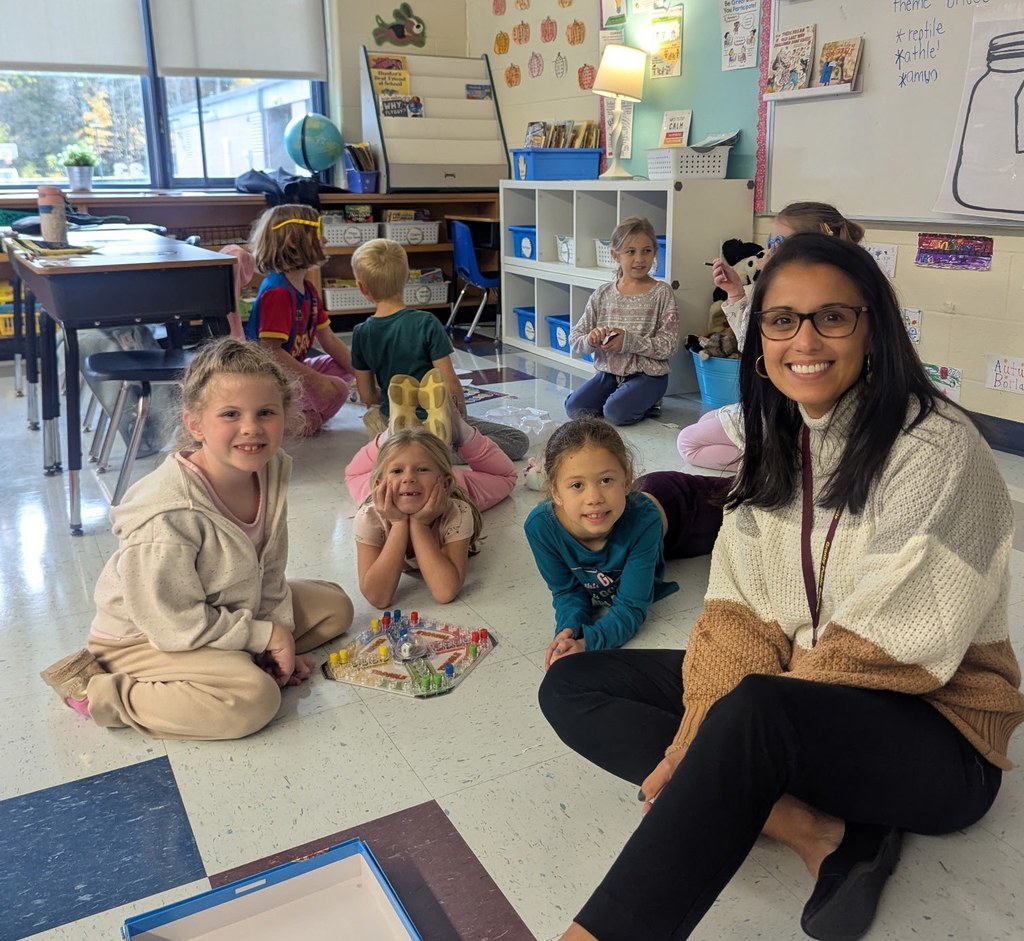
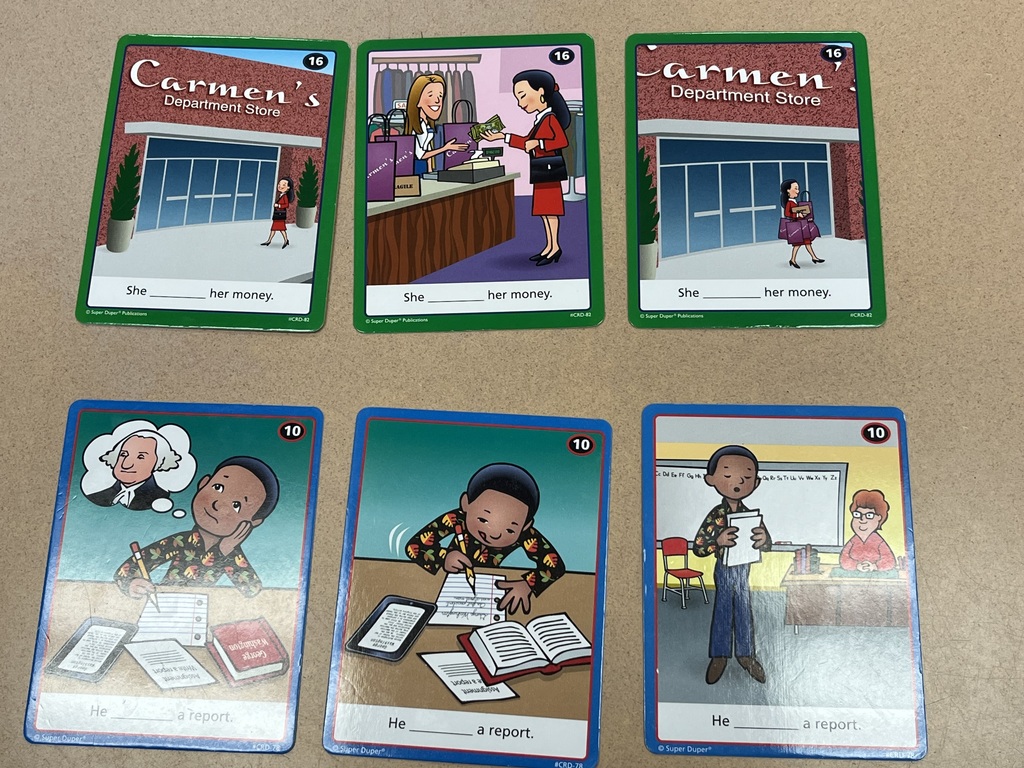
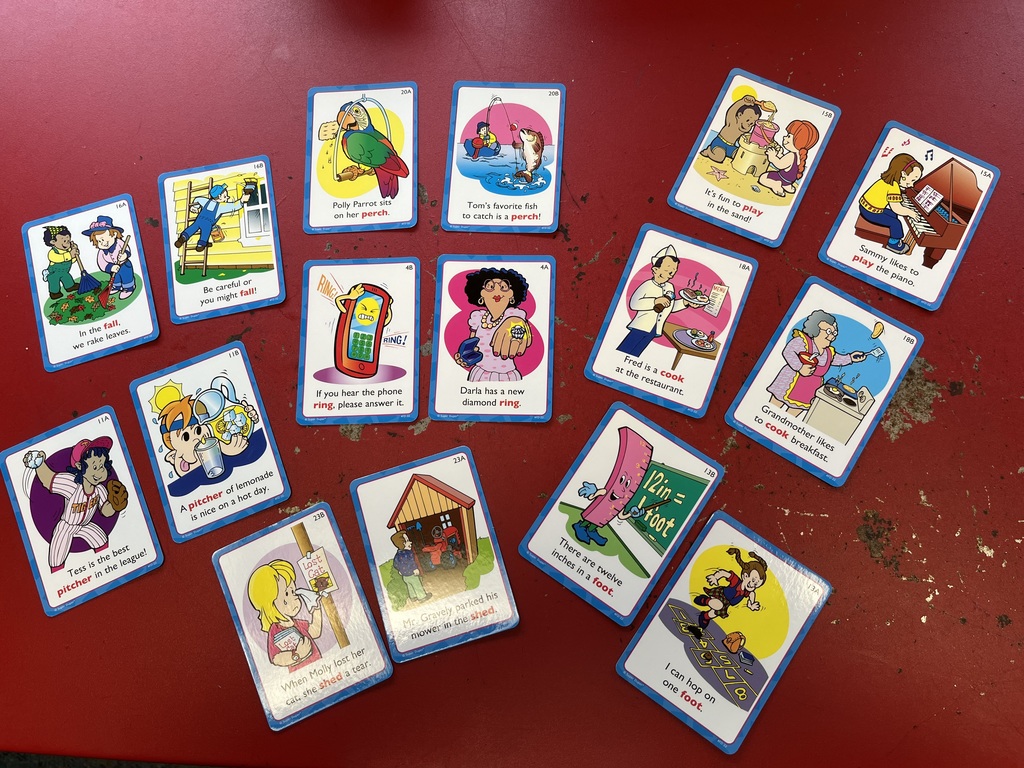
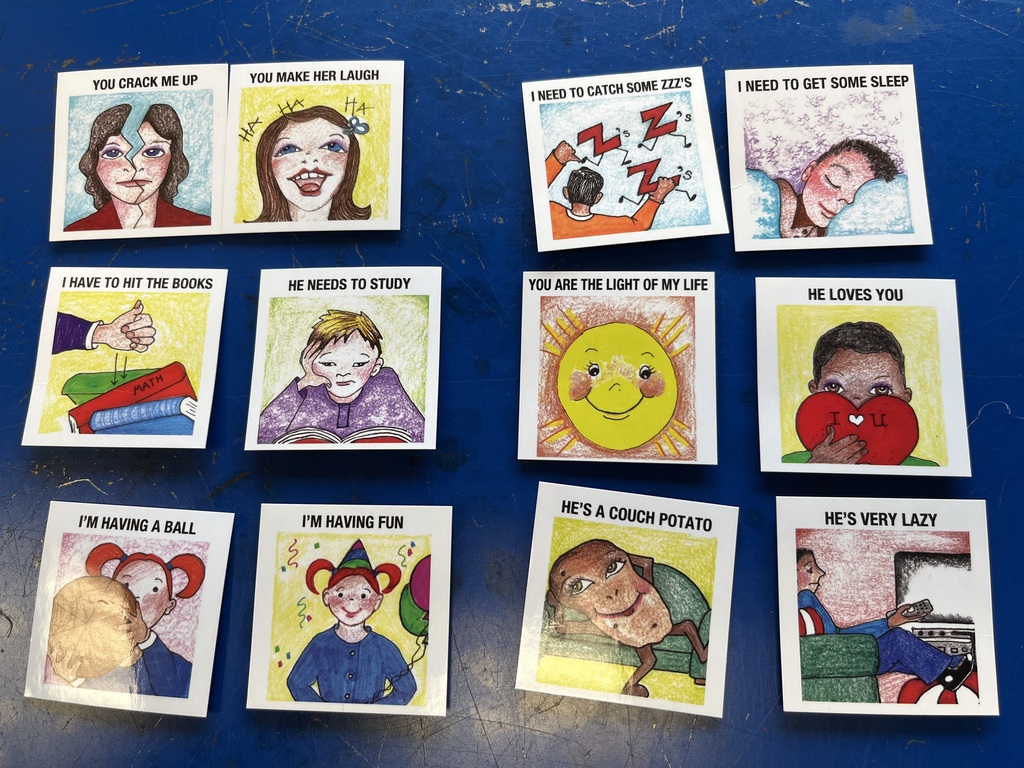
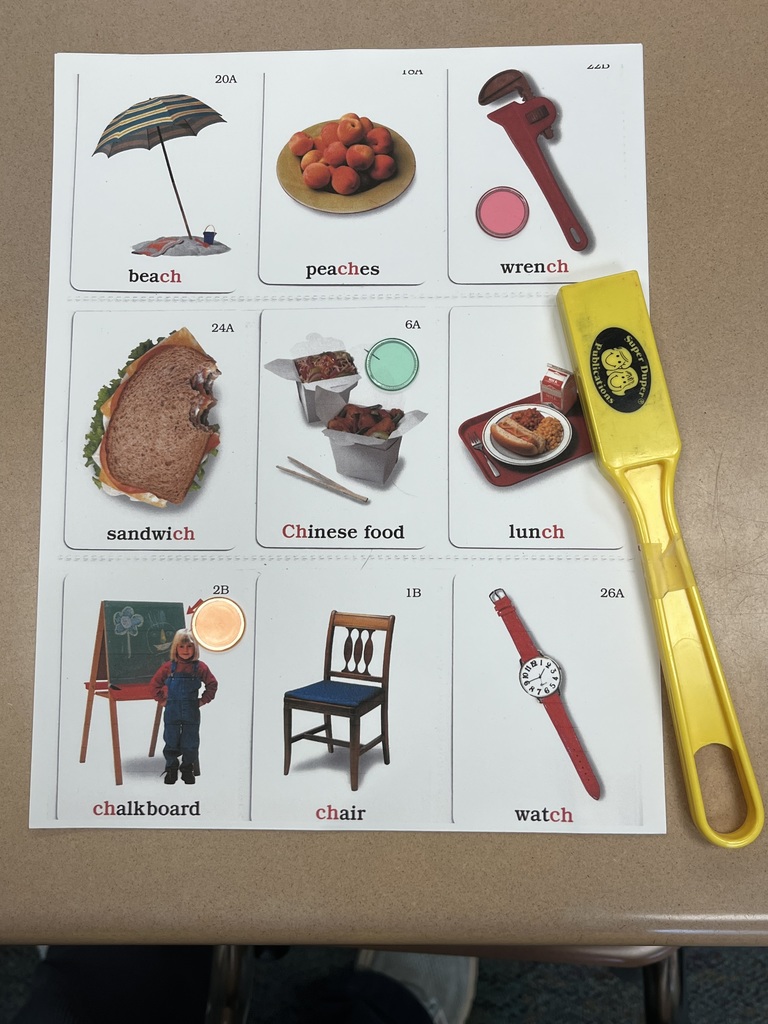
In Mrs. Zachs' Speech and Language Class, we individualize the activities for each child according to their needs and wants. Many skills need to be repeated many times for the student to master, so we often do fun activities encouraging the child to do many repetitions.
Bingo games are not only fun, but we get to practice our articulation skills.
It is challenging to win in a game of memory with homonyms. Not only does it increase our concentration skills but we also learn our multi meaning words.
We sequence these cards and then tell a quick story using our future tense, present tense, and irregular past tense verbs. We learn 48 different irregular past tense verbs.
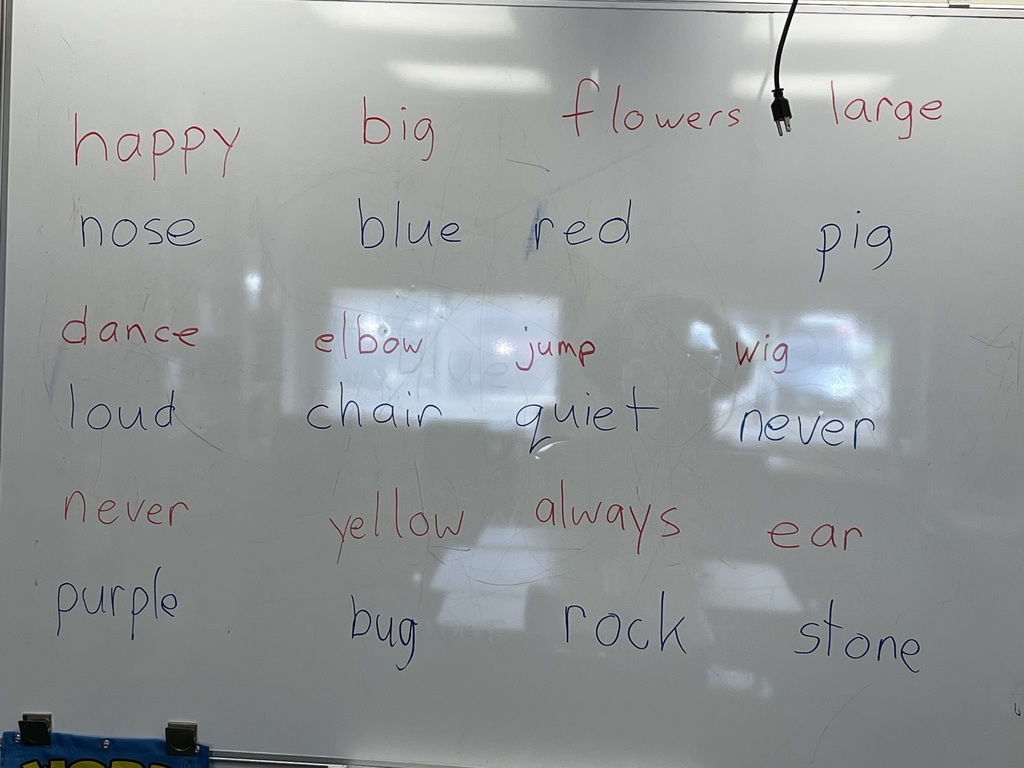
In each row, we pick out the 2 words that go together best. They could be synonyms, antonyms, words from the same location, or category. This activity helps us organize our language skills in our brain so that we can retrieve them easily.
Idioms don’t mean what they say. They aren’t literal. We need to learn their meanings to understand what people are saying.
Speech and Language Class is fun and we learn lots of interesting things that help us to speak and write better.
Bingo games are not only fun, but we get to practice our articulation skills.
It is challenging to win in a game of memory with homonyms. Not only does it increase our concentration skills but we also learn our multi meaning words.
We sequence these cards and then tell a quick story using our future tense, present tense, and irregular past tense verbs. We learn 48 different irregular past tense verbs.
In each row, we pick out the 2 words that go together best. They could be synonyms, antonyms, words from the same location, or category. This activity helps us organize our language skills in our brain so that we can retrieve them easily.
Idioms don’t mean what they say. They aren’t literal. We need to learn their meanings to understand what people are saying.
Speech and Language Class is fun and we learn lots of interesting things that help us to speak and write better.
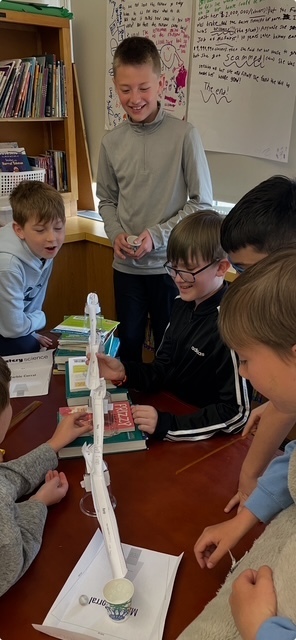
Students in Mrs. Wojtas’ class explored energy transfer by designing and building marble runs, allowing them to observe how energy is stored, released, and passed along through chain reactions.
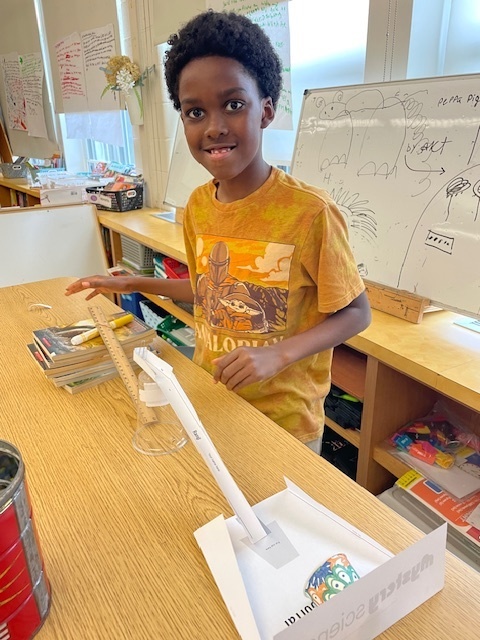
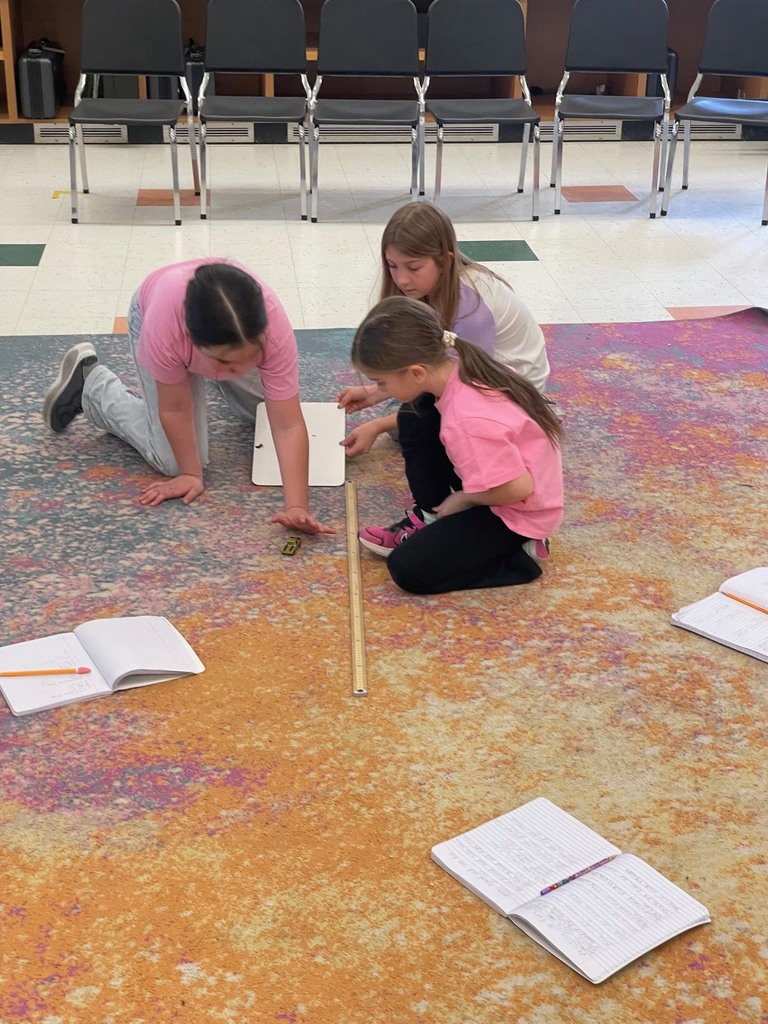
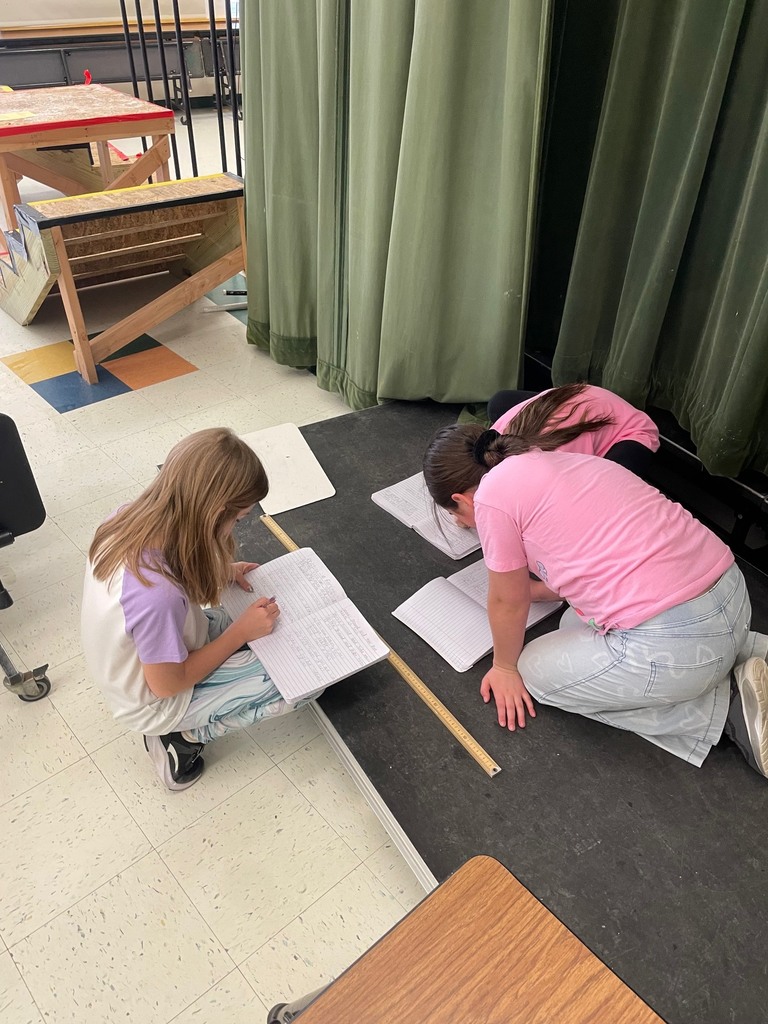
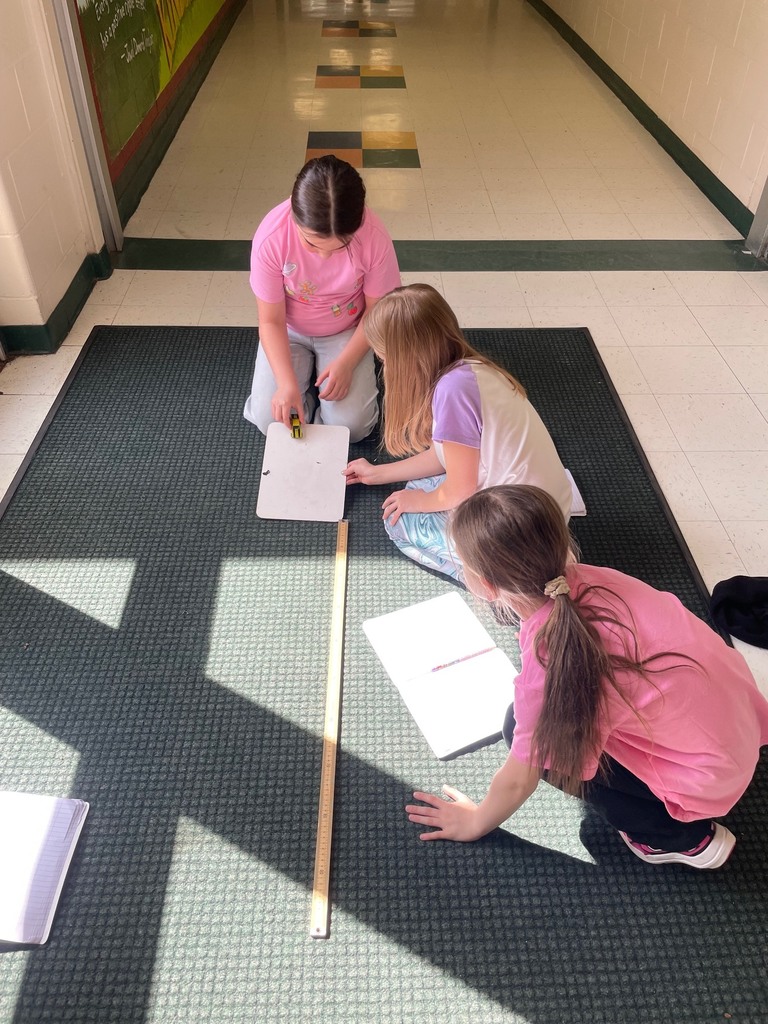
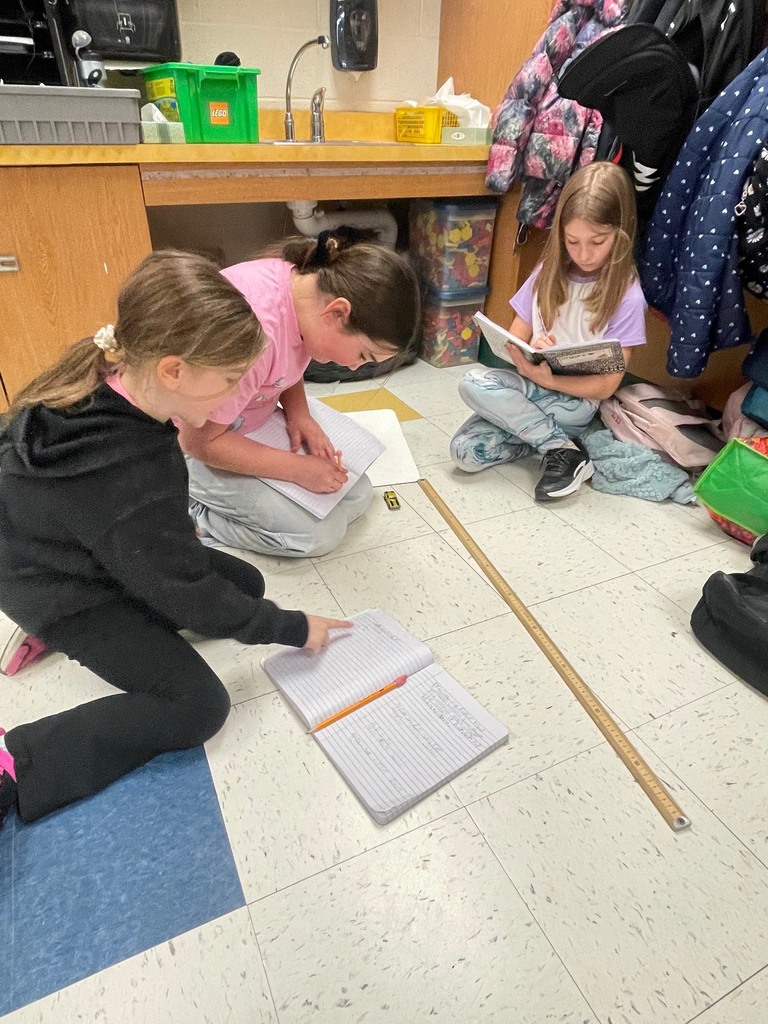
Mr. Whitten's class is in the middle of a Force and Motion unit. In these pictures, Pepper, Lara, and Nora are collecting data related to friction. They chose different surfaces to see how far the toy car traveled. Next, the entire class will share their data and we will look at it to determine if the data makes sense, and what it tells us.
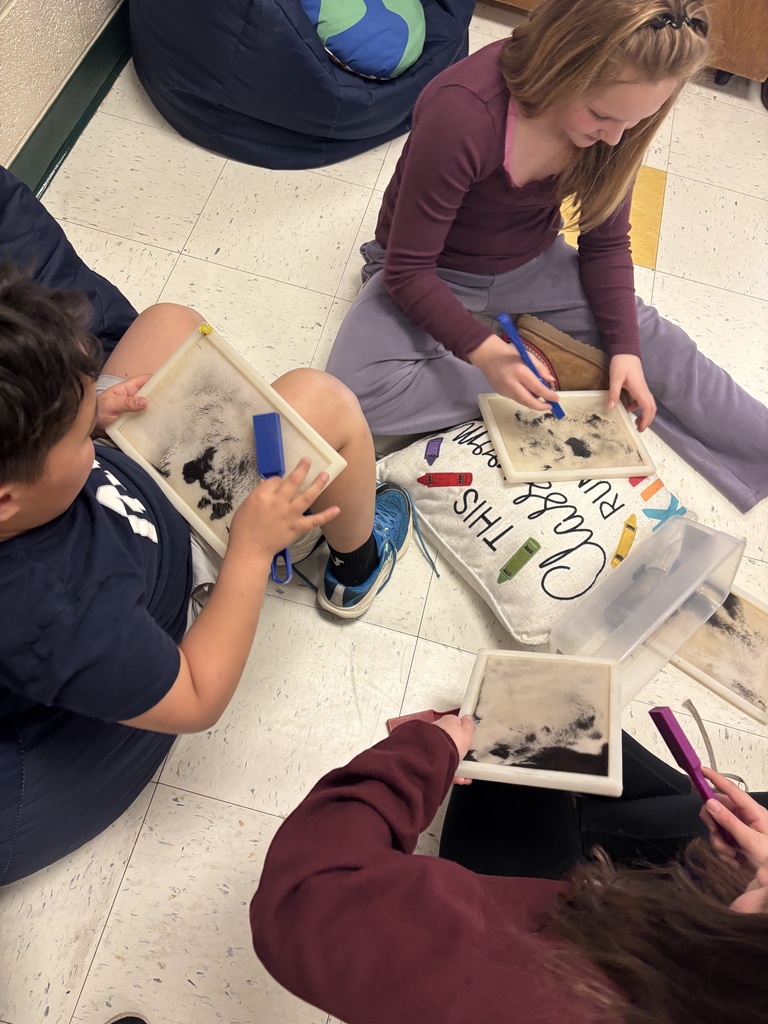
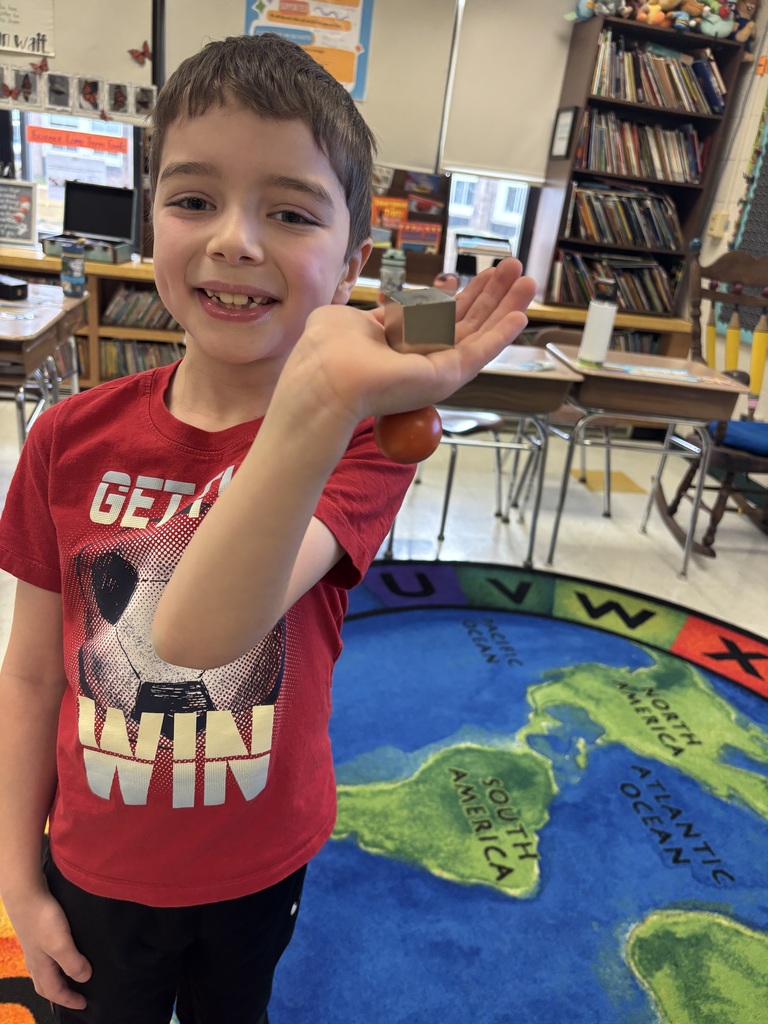
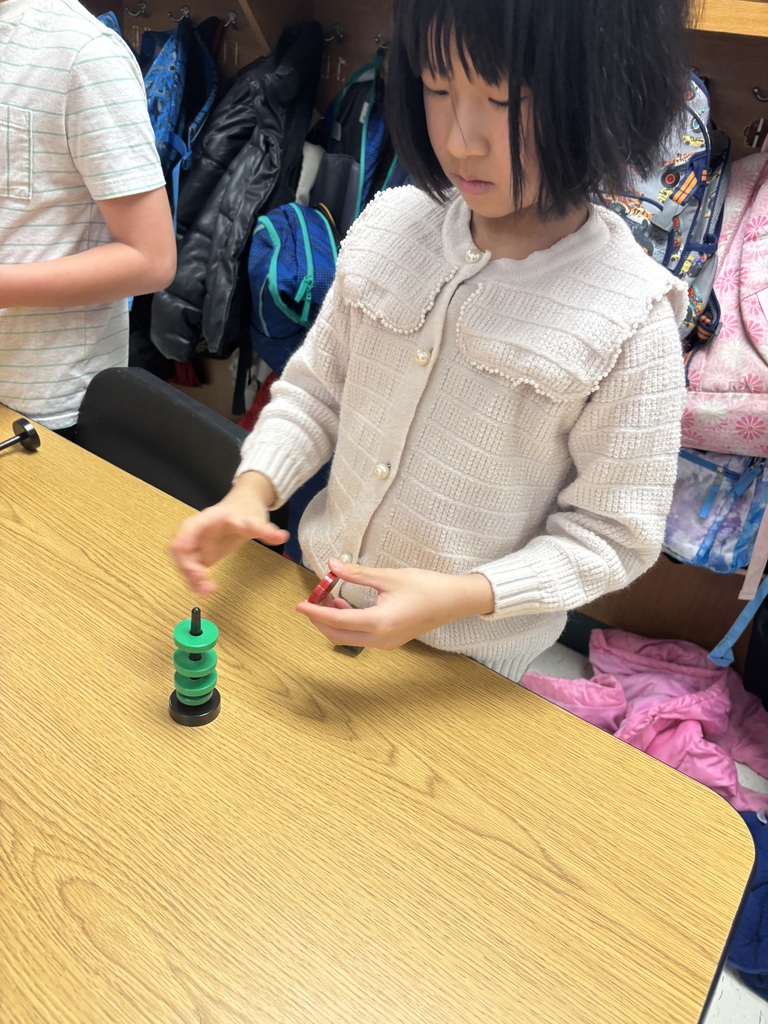
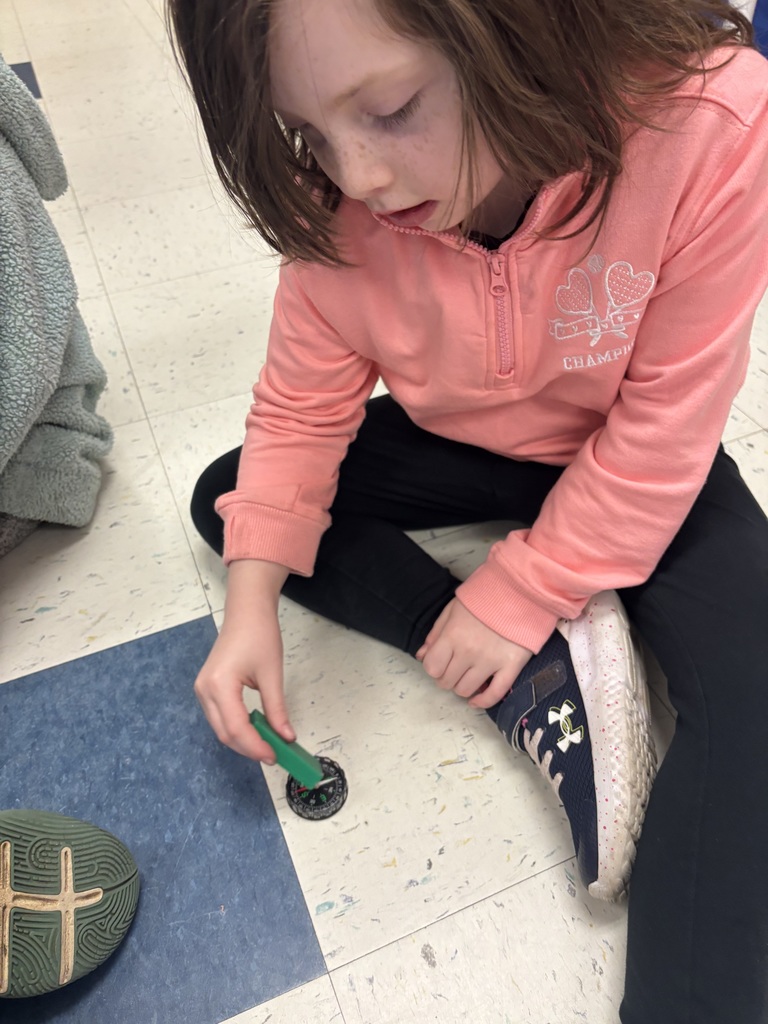
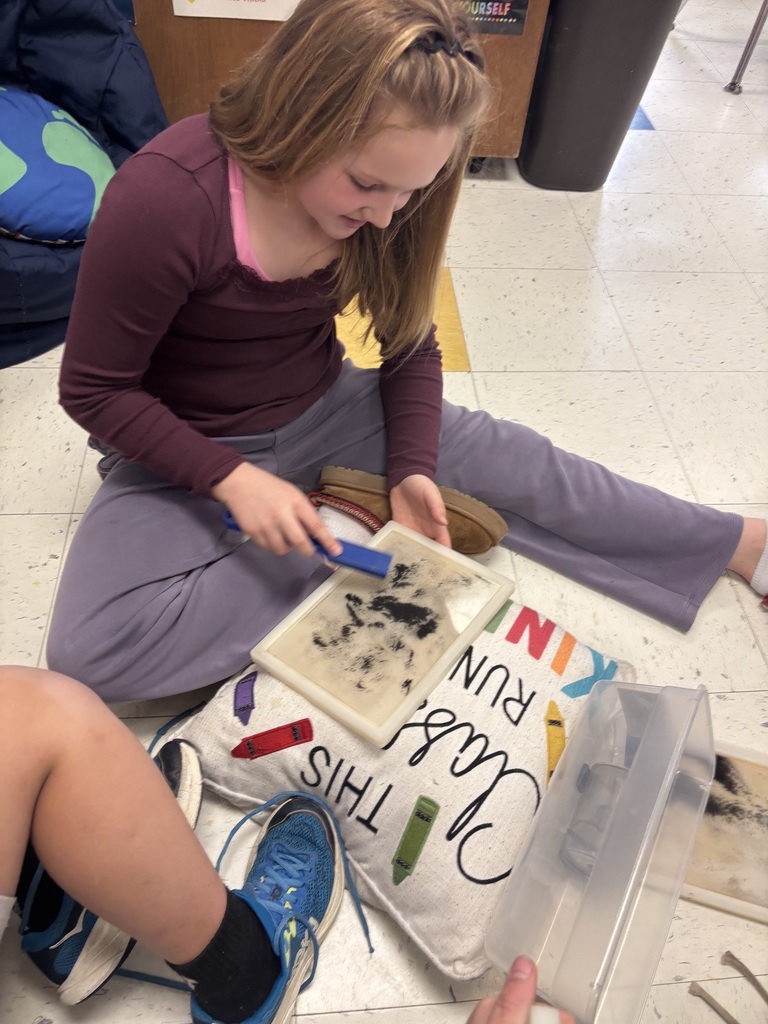
Miss Stryker's students are learning about force and motion in science. This week they learned about the force of magnetism through hands-on investigations. At different stations, they saw how forces like pushes and pulls can act without touching objects. They observed how a magnet can make a compass needle move, experimented with ring magnets on a pole to create a pushing force that keeps them separated, explored magnetic field patterns using an iron sand board, and tested how a magnet’s pull can change when different materials are placed in between. These activities are helping students build a clear understanding of how forces affect motion in the world around them.
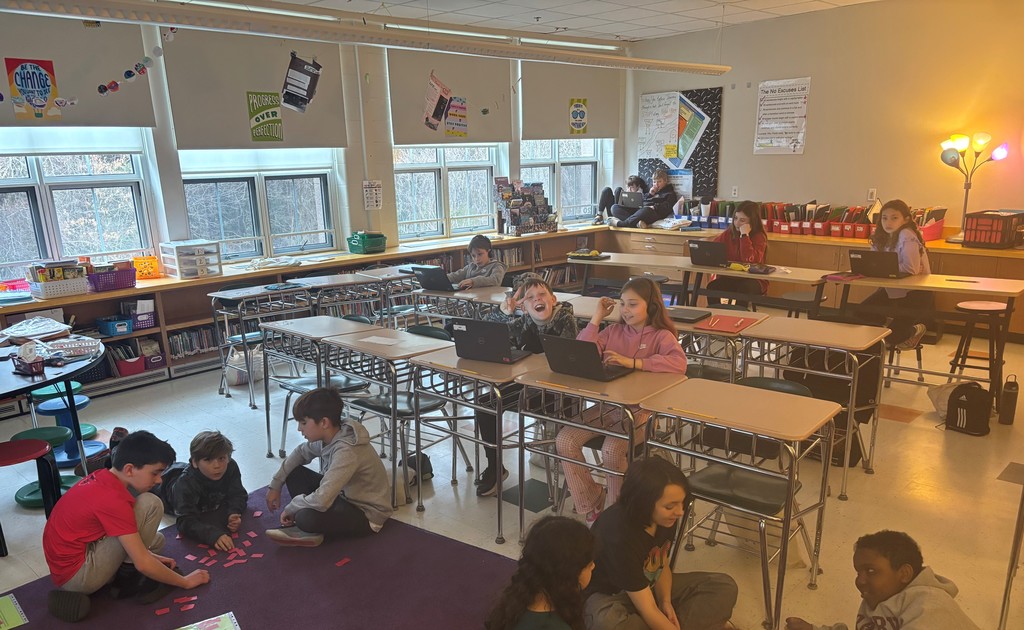
Fifth grade ELA classes are busy pulling together all their reading and writing skills to get ready for SBAC testing. We’ve been talking strategy & vocabulary, as well as building our reading stamina. Today, students participated in stations that included a synonym game. In this activity, students discussed with partners how different words that they may see in aspect questions are connected, and which ones may mean the exact same, or similar, thing. For example, many students put words like theme, lesson, central message, and main idea in the same category. They enjoyed doing an activity with no wrong answers, and sharing their thinking with teammates.
-Megan Proto
Grade 5 ELA Teacher
-Megan Proto
Grade 5 ELA Teacher
A message from our Literacy Instructional Coach, Ms. Piotrowski:
During Module 5, "Art Everywhere" in the fourth grade ELA curriculum, students read a variety of texts that presented them with information about the arts. Throughout the module, students focused on answering, "What impact can artists have on the world?"
In music, students learned the history of the Beatles and listened to many of their songs.
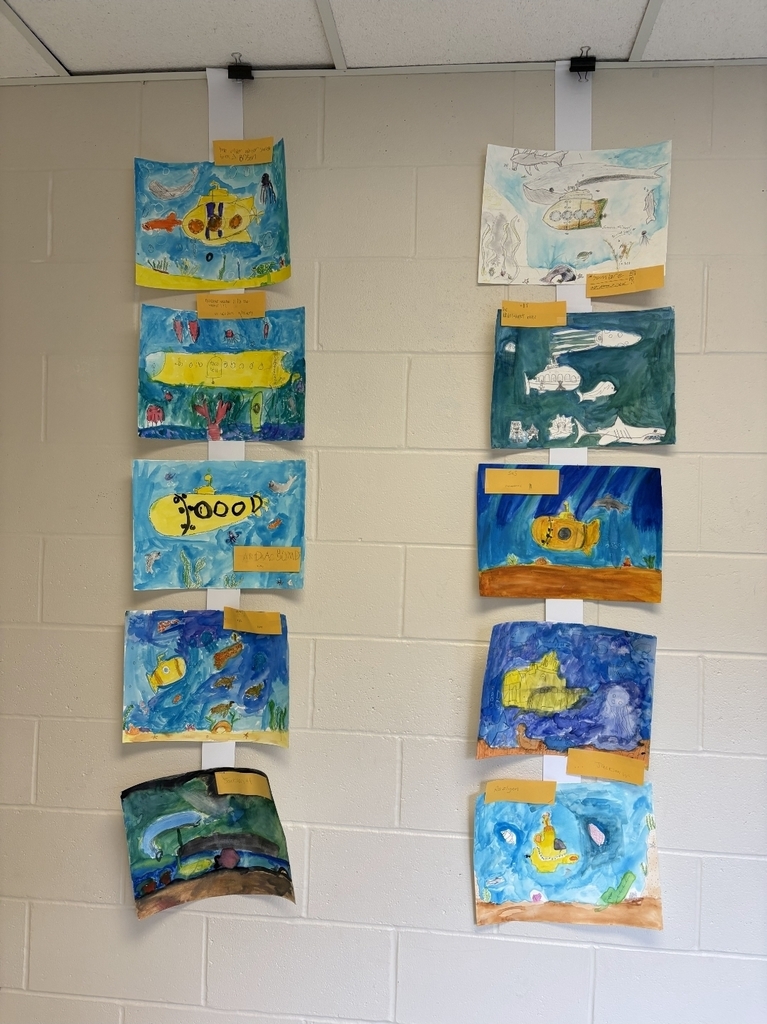
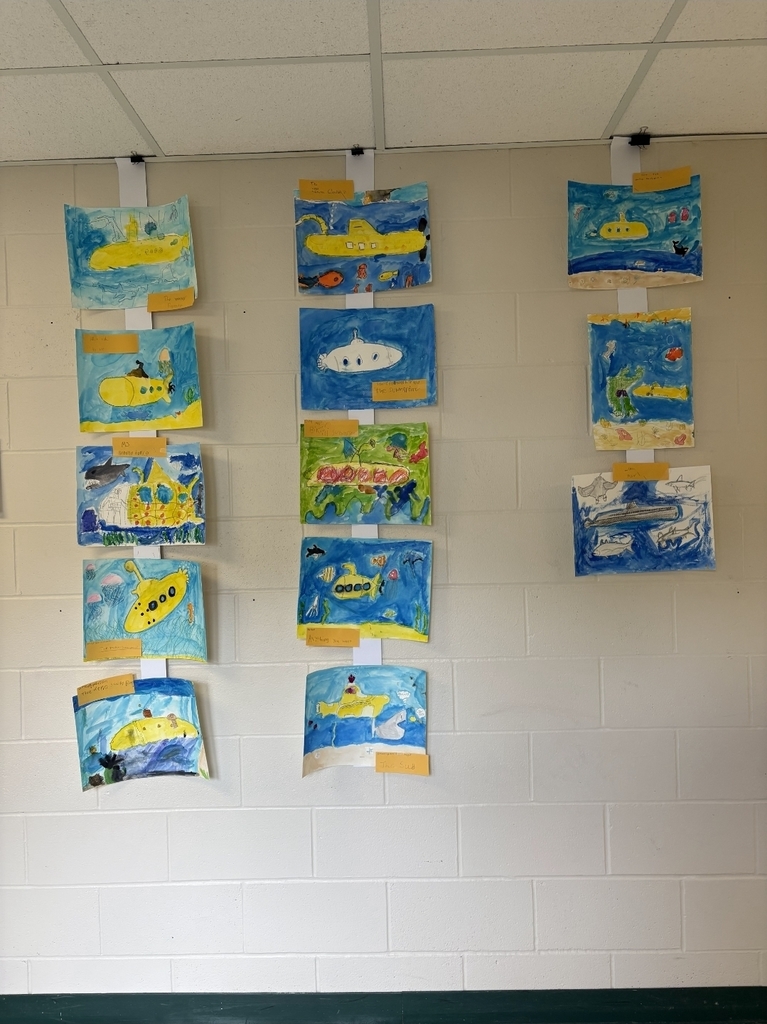
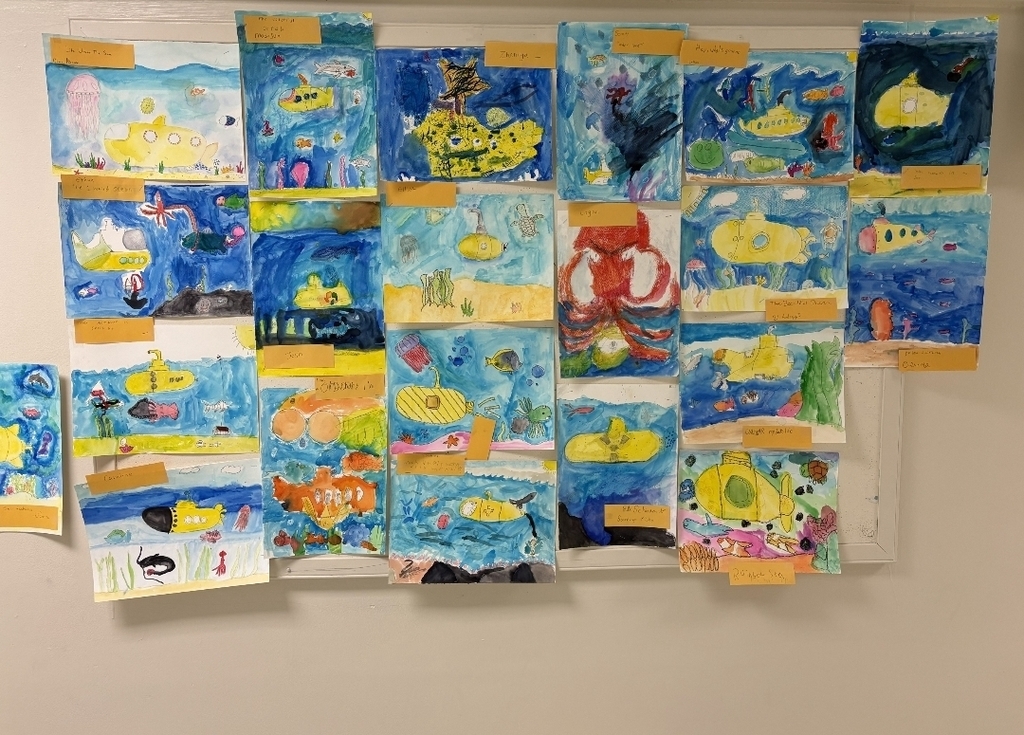
During art, students learned about the artists Peter Max and Heinz Edelman, who worked with the Beatles on a variety of artworks including the animation of The Yellow Submarine movie. Students then made their own mixed media watercolor paintings of underwater creatures and the yellow submarine.
During Module 5, "Art Everywhere" in the fourth grade ELA curriculum, students read a variety of texts that presented them with information about the arts. Throughout the module, students focused on answering, "What impact can artists have on the world?"
In music, students learned the history of the Beatles and listened to many of their songs.
During art, students learned about the artists Peter Max and Heinz Edelman, who worked with the Beatles on a variety of artworks including the animation of The Yellow Submarine movie. Students then made their own mixed media watercolor paintings of underwater creatures and the yellow submarine.
Students in Math Intervention are working very hard on Math fact fluency with Mrs. Pestana. Did you know that by the end of 3rd grade, students should have mastered not only addition and subtraction fact fluency, but also have all their multiplication facts memorized. These are very important for 4th and 5th grade skills.
A message from Dr. MacDonald, our School Psychologist:
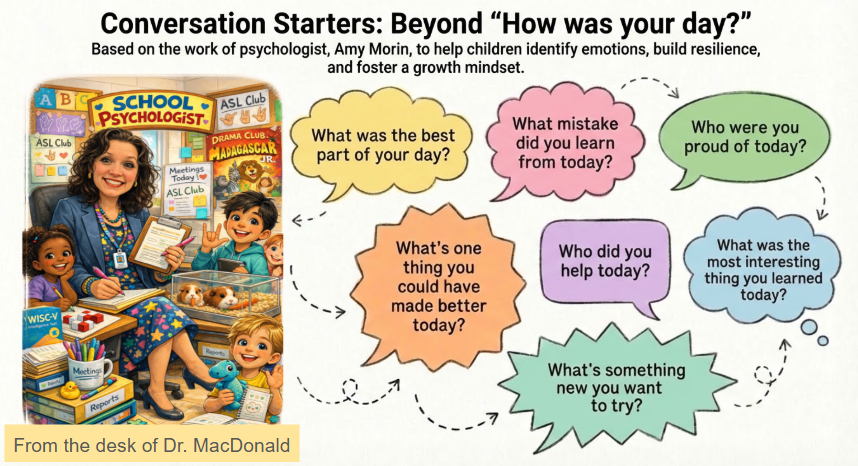
Hello everybody,
My name is Ms. Lozada, and I am a special education teacher at Wells Road. I wanted to share a quick update about one of my reading groups.
We are currently learning how the silent e can appear in different parts of a multisyllabic word. Students have been practicing dividing words into syllables and identifying where the silent e is located. This helps them better understand vowel patterns and improves their decoding skills when reading longer words.
I am proud of the effort they are putting into this work!
My name is Ms. Lozada, and I am a special education teacher at Wells Road. I wanted to share a quick update about one of my reading groups.
We are currently learning how the silent e can appear in different parts of a multisyllabic word. Students have been practicing dividing words into syllables and identifying where the silent e is located. This helps them better understand vowel patterns and improves their decoding skills when reading longer words.
I am proud of the effort they are putting into this work!
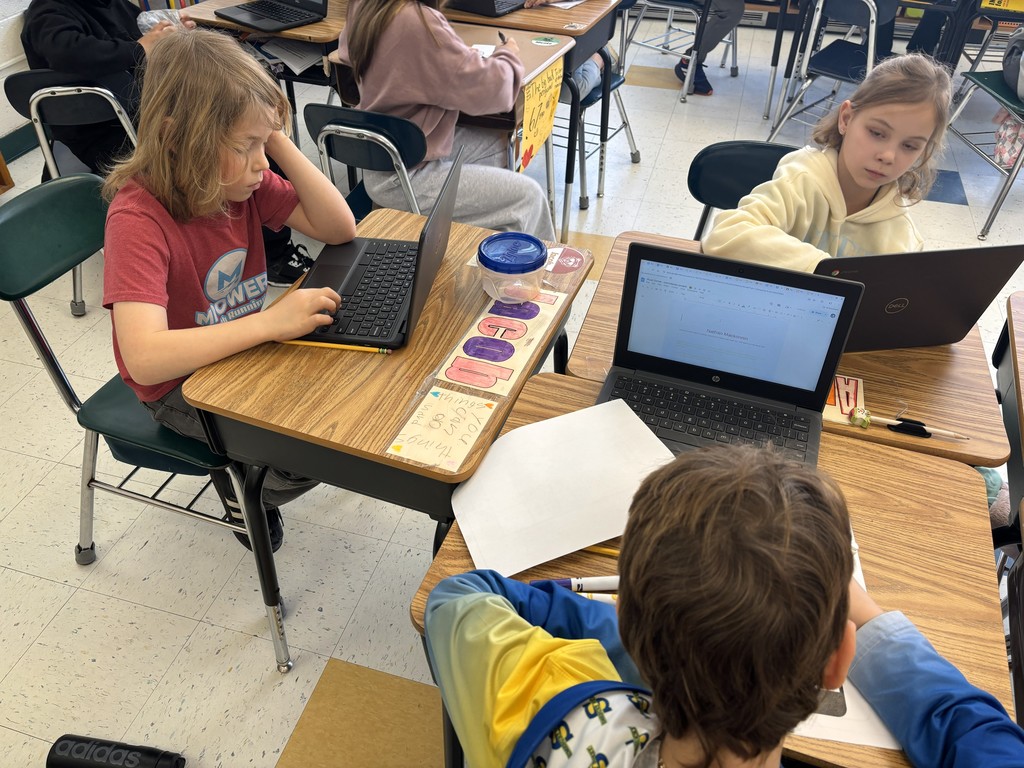
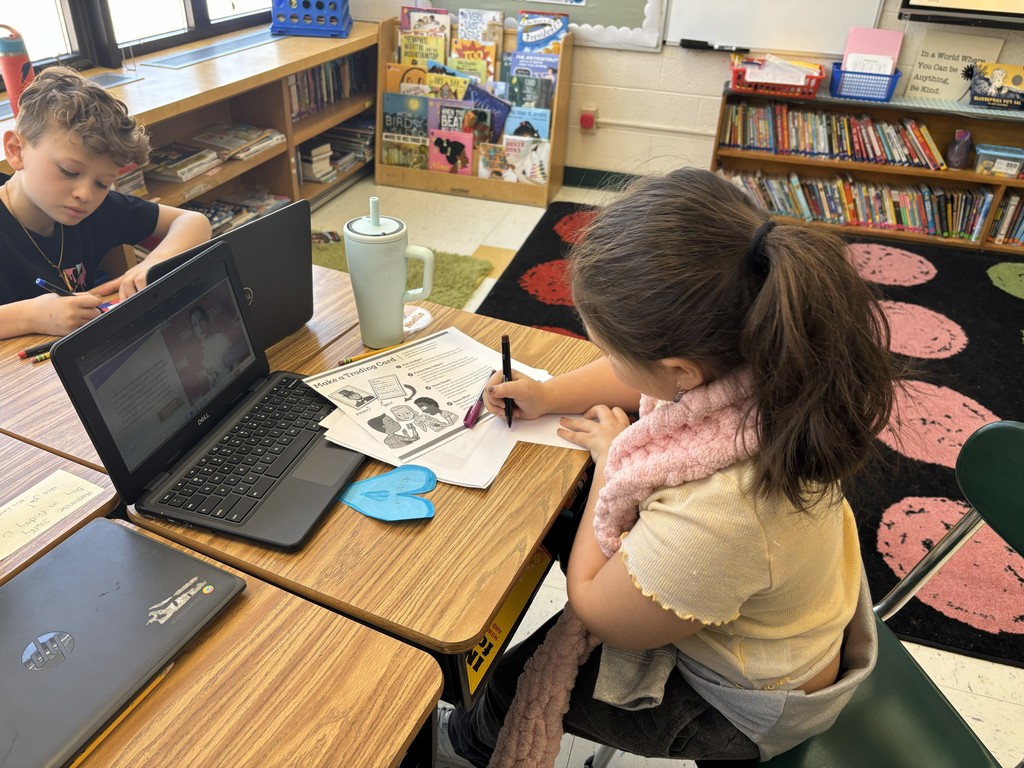
In Mrs. Levasseur's 4th Grade classroom, students are creating trading cards and social media profiles for their "Extraordinary People". In Module 5, students were tasked with researching "People who are Extraordinary". They wrote expository essays and showed their creativity by thinking about what a social media profile might look like for that person or a trading card. Throughout this writing unit, students worked hard to discover what made their person extraordinary and how their person impacted society in a positive way. The students loved adding a visual element to their essays.
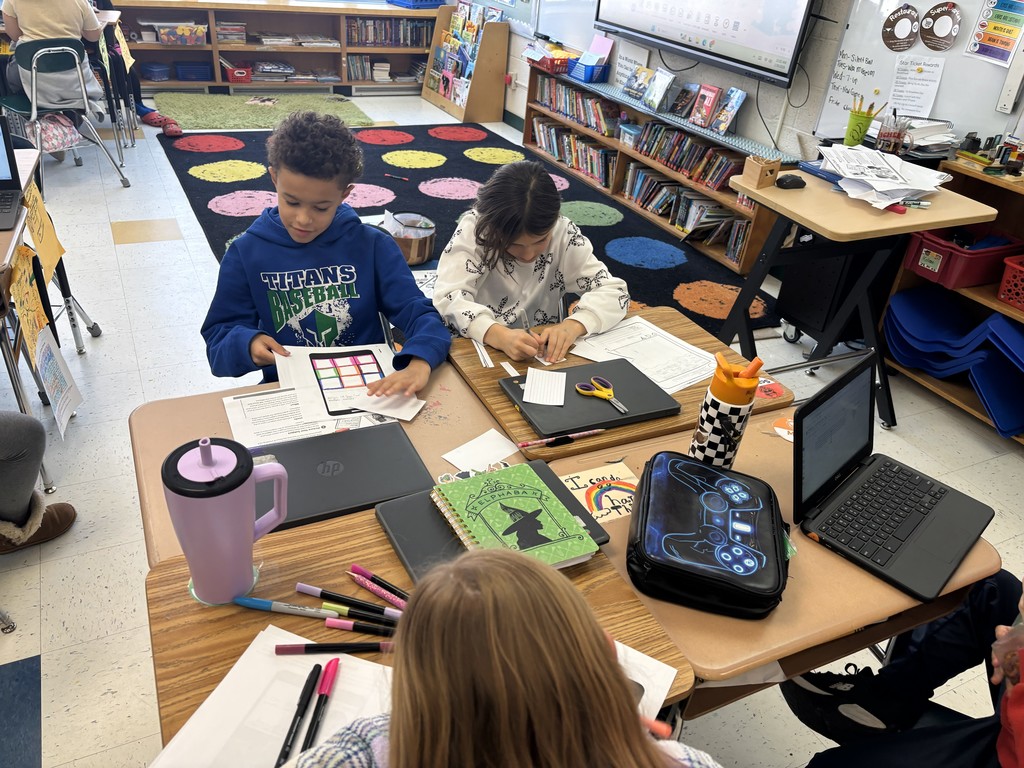
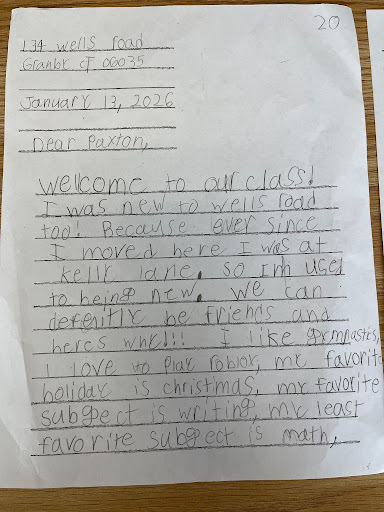
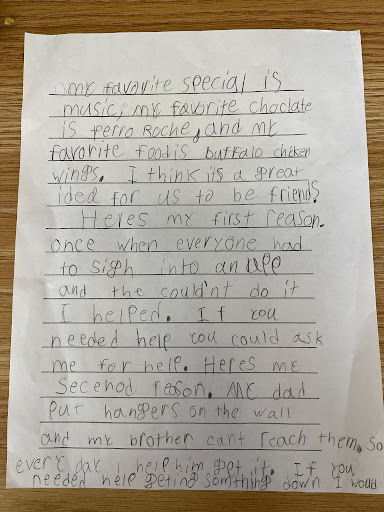
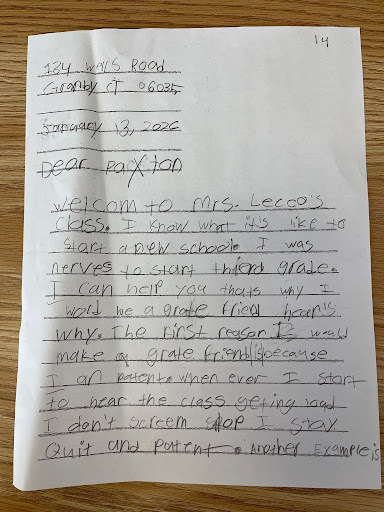
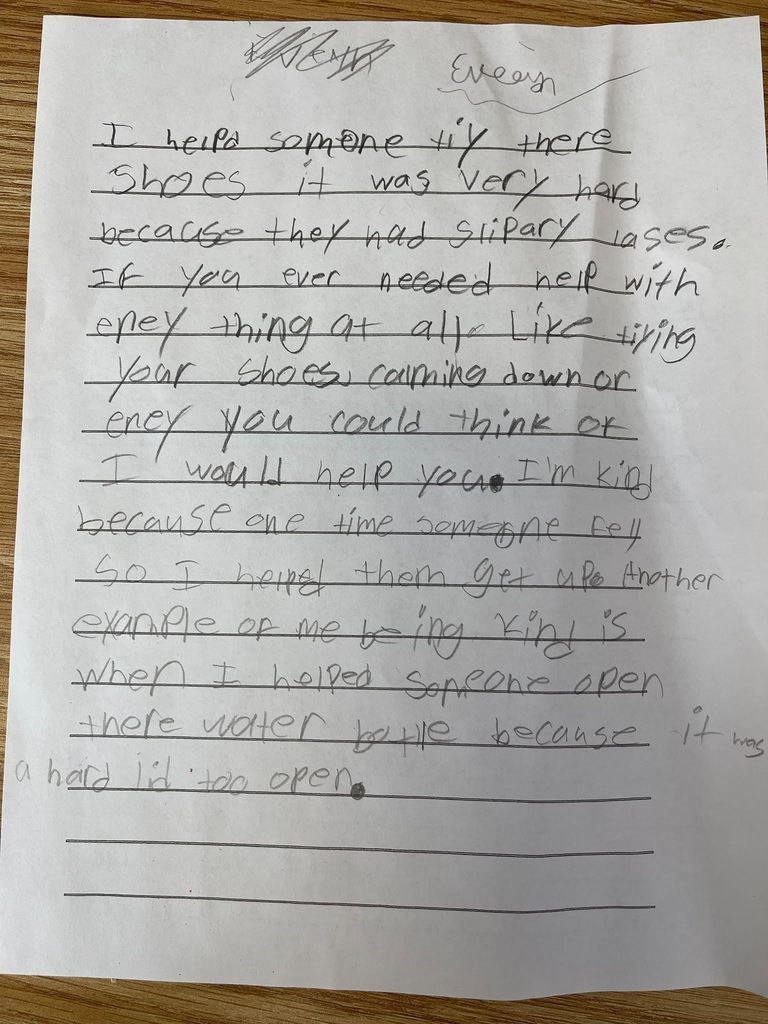
Mrs. Lecco’s students welcomed a new student by writing persuasive essays explaining why they would make a good friend. Students included three reasons and elaborated on those reasons using examples. We have so many great qualities to share!
Our Math/Science Instructional Coach, Mrs. LaPointe, says:
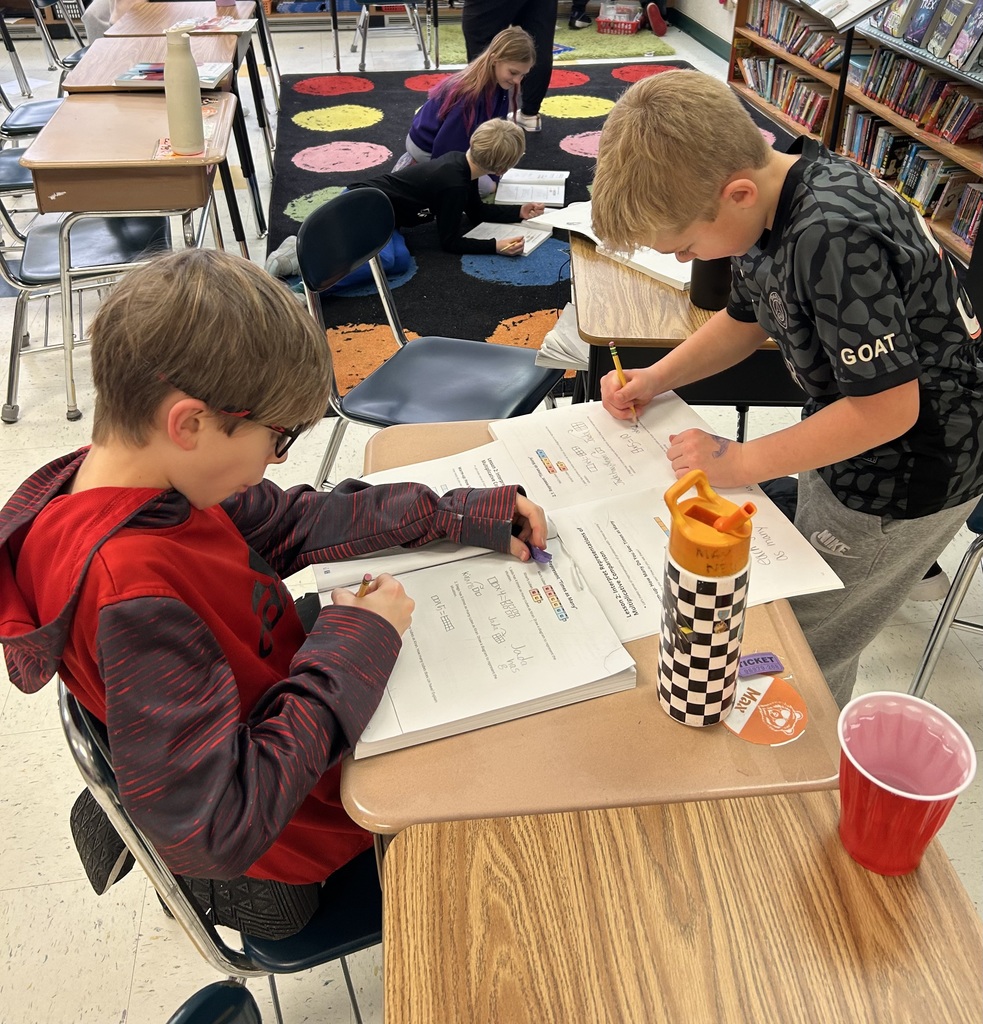
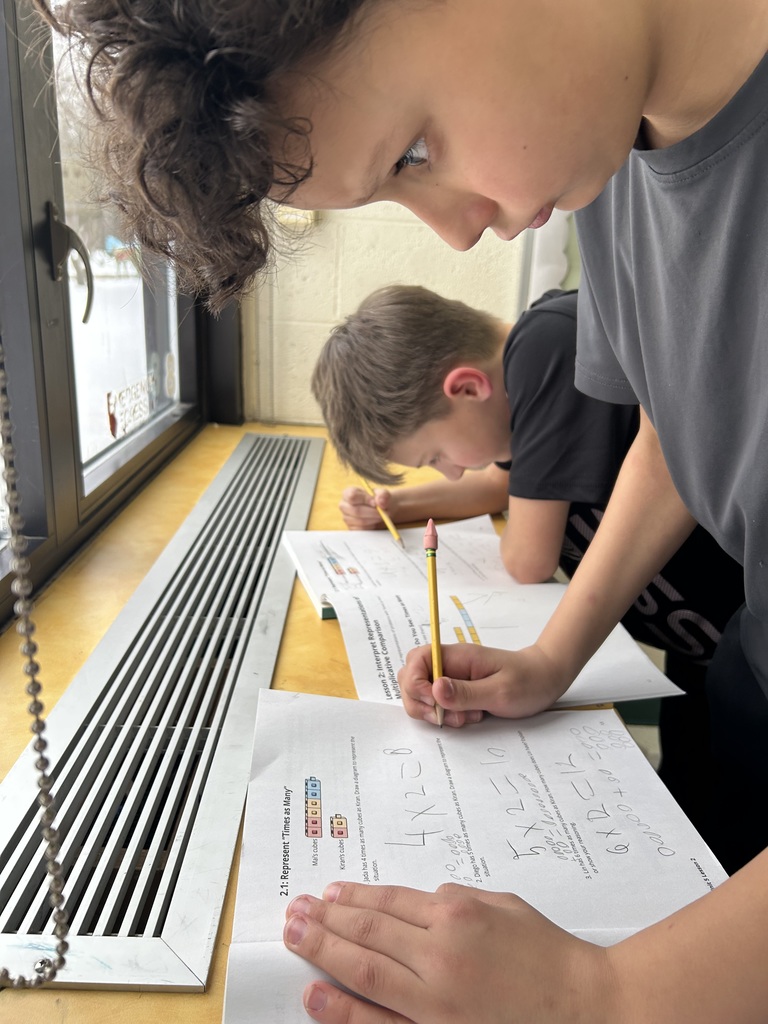
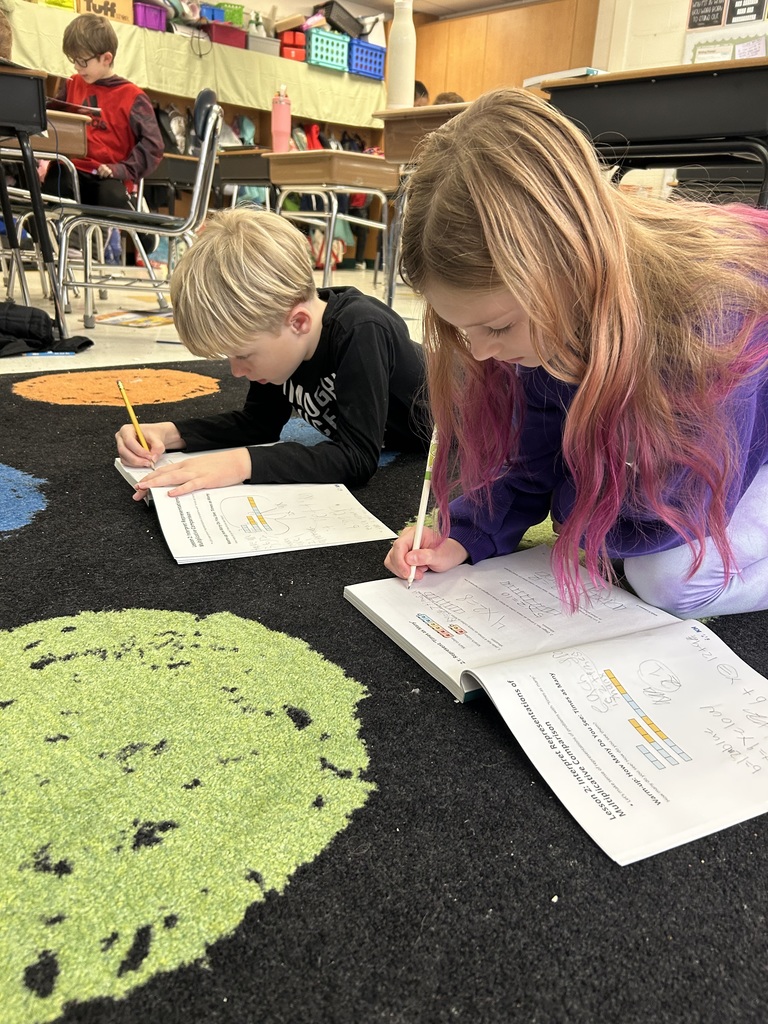
"Students in Mrs. Levasseur’s fourth grade class work in partnerships to solve multiplicative comparison problems."
"Students in Mrs. Levasseur’s fourth grade class work in partnerships to solve multiplicative comparison problems."
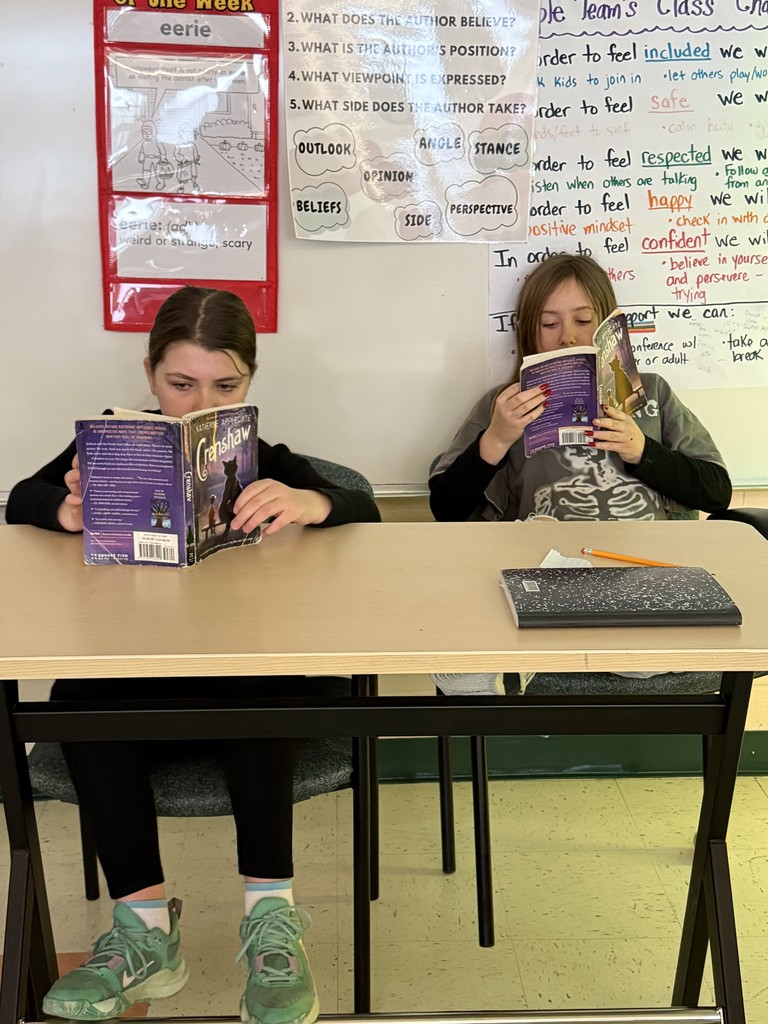
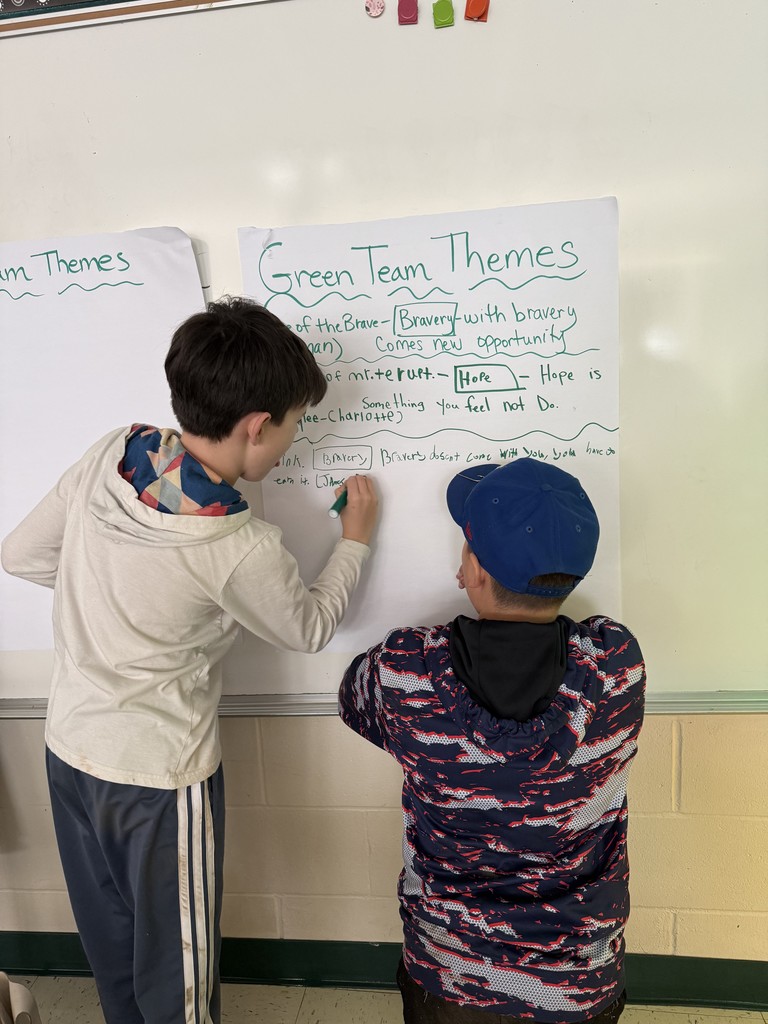
Students in Mrs. Kuhlman’s and Mrs. Lagano’s classes are engaged in interpretive book clubs, where they analyze character development and explore multiple themes across two texts. This work is building a strong foundation for writing their first literary essay.